
Table of contents:
1. Introduction
2. What is Myofascial Release Therapy?
3. What Is Fascia in the Human Body?
4. What is Myofascial Release Therapy and Why Is It Popular?
5. How Myofascial Release Therapy Works
6. How Is Myofascial Release Performed?
7. Common Myofascial Release Techniques Used by Therapists
8. What Is Self-Myofascial Release?
9. What Does Myofascial Release Therapy Treat?
10. What Are the Benefits of Myofascial Release Therapy?
11. Benefits of Myofascial Release Therapy for Athletes
12. How Office Workers Benefit From Myofascial Release Therapy
13. Who Would Benefit From Myofascial Release Therapy?
14. What Ages Are Best Suited for This Type of Therapy?
15. What Happens During a Myofascial Therapy Session?
16. What Should I Expect During Myofascial Release Treatment?
17. What Happens After Myofascial Release Therapy?
18. Does Myofascial Therapy Hurt?
19. What Are the Risks of Myofascial Release Therapy?
20. Is Myofascial Release the Same as Trigger Point Therapy
21. What’s the Difference Between Myofascial Release Therapy and Fascial Stretch Therapy?
22. Difference Between Myofascial Therapy and Massage Therapy
23. Tips Before and After Myofascial Release Therapy
24. Professional Chiropractic Care in Eagan, MN
25. Final Thoughts on Myofascial Release Therapy
26. Frequently Asked Questions
27. Author Bio
Living with muscle stiffness, chronic pain, or reduced mobility can make everyday activities difficult and exhausting. Whether caused by poor posture, repetitive movement, sports injuries, stress, or muscle overuse, tension within the body can limit flexibility and overall physical comfort. This is one reason why more people are searching for answers to What is Myofascial Release Therapy? and how it may support natural pain relief and recovery.
Myofascial Release Therapy is a specialized hands-on treatment focused on reducing restrictions in the fascia — the connective tissue that surrounds muscles, joints, nerves, and organs throughout the body. Using gentle pressure and controlled stretching, therapists apply targeted Myofascial Release Techniques to improve movement, reduce tension, and restore tissue flexibility naturally.
Unlike treatments that simply mask symptoms temporarily, Myofascial Release Therapy focuses on identifying and addressing the underlying causes of muscle tightness and mobility restrictions. This is why many chiropractors, physical therapists, and rehabilitation specialists now include it as part of a comprehensive recovery and wellness plan.
In this guide, you’ll learn:
- What is fascia?
- How Myofascial Release Therapy works
- Common Myofascial Release Techniques
- What conditions may it help treat
- Benefits and risks of treatment
- What happens during and after therapy
- Who may benefit most from treatment
What is Myofascial Release Therapy?
Myofascial Release Therapy is a hands-on treatment designed to reduce pain and improve movement by targeting tight fascia in the body. Fascia is the connective tissue that surrounds muscles, joints, nerves, and organs.
When fascia becomes restricted because of stress, inflammation, repetitive strain, injuries, or poor posture, it may create tension, discomfort, and movement limitations. Myofascial Release Techniques focus on gently releasing these restrictions using sustained pressure and stretching methods.
Unlike traditional massage therapy, Myofascial Release Therapy focuses specifically on connective tissue restrictions instead of only relaxing muscles.
What Is Fascia in the Human Body?
To fully understand What is Myofascial Release Therapy, it’s important to understand What is fascia?
Fascia is a thin, web-like connective tissue found throughout the body. It surrounds and supports muscles, bones, joints, nerves, and organs while helping maintain structural stability and movement efficiency.
Healthy fascia is flexible and moves smoothly with the body. However, physical stress, poor posture, inflammation, repetitive movements, injuries, dehydration, and emotional tension may cause fascia to tighten and lose flexibility.
When fascia becomes restricted, it may contribute to:
- Muscle stiffness
- Pain and pressure
- Reduced mobility
- Limited flexibility
- Poor posture
- Movement dysfunction
This is why many therapists use Myofascial Release Techniques to restore movement and reduce tension naturally.
What is Myofascial Release Therapy and Why Is It Popular?
Many people ask, “What is Myofascial Release Therapy?” It is a specialized treatment method that applies gentle, sustained pressure to fascia restrictions to improve flexibility, mobility, and pain relief.
The growing popularity of Myofascial Release Therapy comes from its natural and non-invasive approach to recovery. Many patients prefer it because it focuses on treating the source of pain instead of simply masking symptoms temporarily.
Reasons People Choose Myofascial Therapy:
- Natural pain relief
- Improved flexibility
- Better posture
- Reduced muscle tension
- Enhanced mobility
- Stress reduction
- Support for injury recovery
These benefits make Myofascial Release Therapy a trusted option for long-term pain management and physical wellness.
How Myofascial Release Therapy Works
One of the most common questions patients ask is, “How Myofascial Release Therapy Works?”
During treatment, the therapist applies slow, controlled pressure to restricted fascia areas. Unlike quick massage movements, the therapist holds pressure for an extended period to allow the fascia to gradually release tension and improve tissue mobility.
This process may help:
- Improve blood circulation
- Restore flexibility
- Reduce muscle tightness
- Improve movement patterns
- Relieve pain naturally
How Myofascial Release Helps:
- Reduces muscle tension
- Improves flexibility
- Increases circulation
- Restores mobility
- Supports posture correction
- Relieves chronic pain
Because fascia is connected throughout the body, releasing tension in one area may also improve movement and comfort in surrounding regions.
How Is Myofascial Release Performed?
Another common question is, “How is myofascial release performed?”
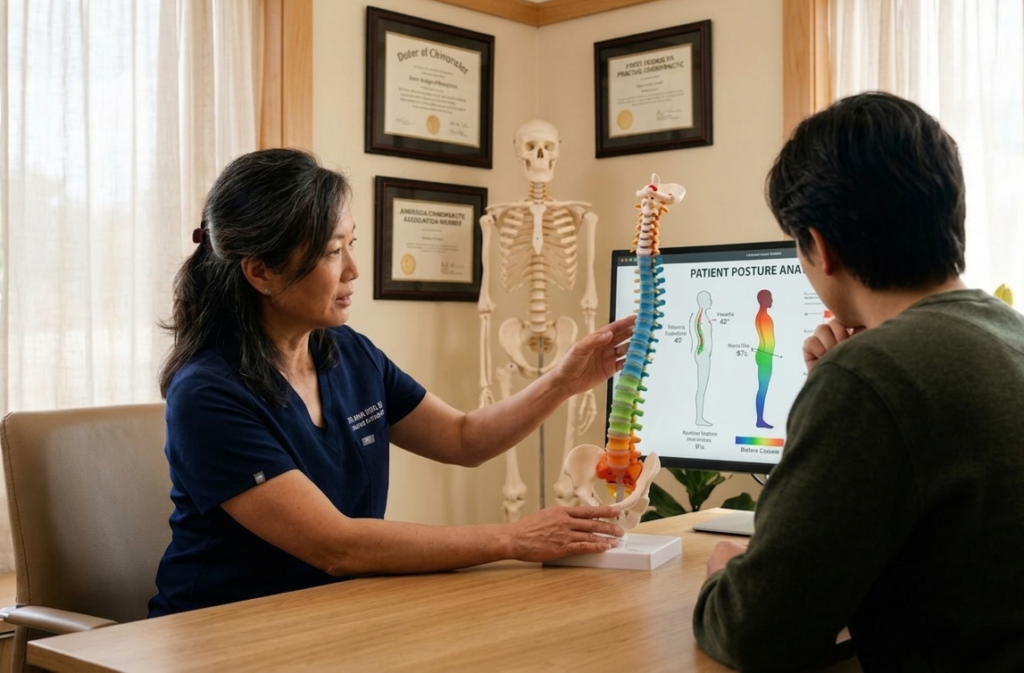
Treatment usually begins with an evaluation of posture, mobility, muscle tightness, and movement restrictions. The therapist then identifies areas where fascia may be restricted.
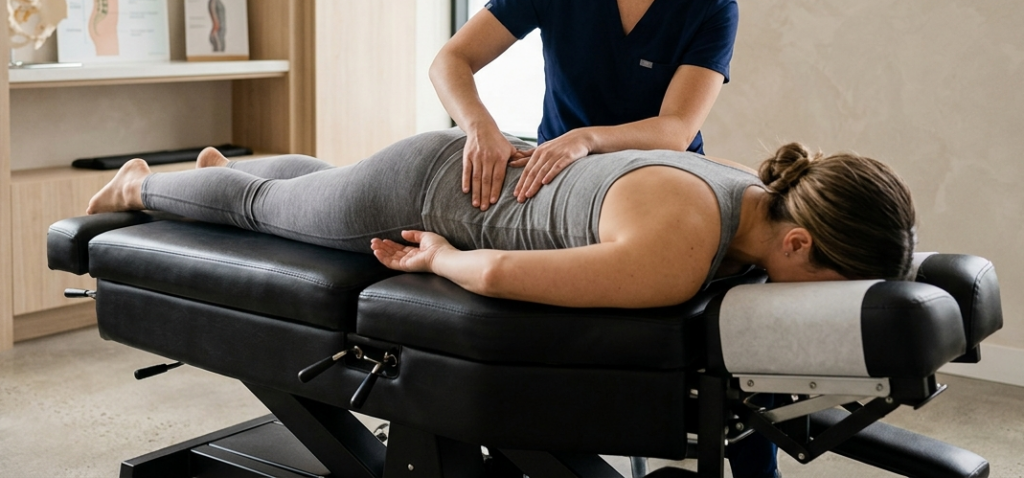
Using hands-on methods, the therapist applies gentle, sustained pressure and stretching movements to targeted areas of tension.
Common Treatment Methods:
- Gentle sustained pressure
- Trigger point release
- Stretch-based release
- Tissue mobilization
- Assisted movement therapy
- Manual connective tissue manipulation
Unlike aggressive deep tissue massage, Myofascial Release Therapy is generally slow, controlled, and focused on gradual tissue release.
Common Myofascial Release Techniques Used by Therapists
Therapists use several different Myofascial Release Techniques depending on the patient’s symptoms, mobility limitations, and pain condition.
Popular Techniques Include:
- Sustained gentle pressure
- Trigger point therapy
- Stretch-based release
- Assisted movement techniques
- Tissue mobilization
- Cross-hand fascial stretching
- Active release methods
These techniques help improve circulation, reduce connective tissue tension, and restore natural movement patterns throughout the body.
What Is Self-Myofascial Release?
Another commonly searched topic is What is self-myofascial release?
Self-myofascial release refers to techniques individuals perform on themselves using tools like:
- Foam rollers
- Massage balls
- Percussion massage devices
- Stretching straps
Athletes and active individuals often use self-myofascial release to improve recovery, reduce muscle soreness, and maintain flexibility.
Benefits of Self-Myofascial Release:
- Improved flexibility
- Reduced muscle tightness
- Better workout recovery
- Increased circulation
- Reduced stiffness after sitting or exercise
While self-myofascial release can provide temporary relief, professional Myofascial Release Therapy may help address deeper restrictions more effectively.
What Does Myofascial Release Therapy Treat?
Many patients ask, “What does myofascial release therapy treat?”
This therapy is commonly recommended for both chronic pain management and mobility improvement.
Conditions Commonly Treated:
- Fibromyalgia
- Sports injuries
- Migraines and headaches
- Chronic back pain
- Neck and shoulder tension
- Sciatica
- Posture-related discomfort
- Muscle tightness
- Joint stiffness
- Repetitive strain injuries
Because Myofascial Release Therapy focuses on connective tissue restrictions, it may improve movement and comfort throughout the body.
What Are the Benefits of Myofascial Release Therapy?
One of the most searched questions online is, “What are the benefits of myofascial release therapy?”
This therapy offers several physical and recovery-related benefits without relying heavily on medication or invasive procedures.
Benefits Include:
- Reduced muscle tension
- Improved circulation
- Better posture
- Enhanced flexibility
- Increased range of motion
- Stress reduction
- Improved mobility
- Faster recovery support
Regular sessions using Myofascial Release Techniques may also improve overall body function and physical performance.
Benefits of Myofascial Release Therapy for Athletes
Athletes place constant stress on muscles and connective tissue. One reason athletes use Myofascial Release Therapy is to improve recovery and reduce injury risk.
Benefits for Athletes Include:
- Faster muscle recovery
- Improved flexibility
- Better range of motion
- Reduced tightness
- Enhanced athletic performance
- Improved movement efficiency
Many sports recovery programs now include Myofascial Release Techniques to help athletes maintain mobility and reduce physical strain.
How Office Workers Benefit From Myofascial Release Therapy
Office workers often experience posture-related problems caused by prolonged sitting and repetitive movement patterns.
Therapy Helps Office Workers By:
- Improving posture
- Reducing neck stiffness
- Relieving lower back pain
- Increasing flexibility
- Reducing stress-related muscle tension
- Supporting healthy movement patterns
Regular sessions using Myofascial Release Techniques may help improve comfort and physical function during daily activities.
Who Would Benefit From Myofascial Release Therapy?
People of all ages may benefit from Myofascial Release Therapy, especially individuals dealing with chronic pain or movement restrictions.
Who Would Benefit From Myofascial Release Therapy?
- Office workers with posture issues
- Athletes recovering from injuries
- Individuals with chronic pain
- Older adults with mobility limitations
- Patients recovering from surgery
- People with muscle stiffness
- Individuals with repetitive strain injuries
Because the therapy focuses on restoring movement naturally, it may help improve flexibility, comfort, and daily mobility.
What Ages Are Best Suited for This Type of Therapy?
A common question patients ask is, “What ages are best suited for this type of therapy?”
Myofascial Release Therapy may benefit:
- Teen athletes
- Active adults
- Working professionals
- Seniors experiencing stiffness and reduced mobility
Treatment techniques and intensity are typically adjusted based on the patient’s age, health condition, comfort level, and physical goals.
What Happens During a Myofascial Therapy Session?
Many first-time patients wonder, “What happens during myofascial release therapy?”
During treatment, the therapist identifies restricted fascia areas and applies slow, sustained pressure to release tension and improve tissue mobility.
During Treatment, You May Feel:
- Gentle stretching
- Mild pressure
- Warmth in tense areas
- Muscle relaxation
- Increased movement
- Reduced tension
Unlike traditional massage therapy, the movements are slower and more targeted toward connective tissue restrictions.
What Should I Expect During Myofascial Release Treatment?
Another common question is, “What should I expect during myofascial release treatment?”
Most sessions begin with:
- Posture evaluation
- Mobility assessment
- Discussion of symptoms
- Identification of tension patterns
Helpful Tips Before Treatment:
- Stay hydrated
- Wear loose clothing
- Communicate discomfort levels
- Follow aftercare instructions
Many patients report feeling lighter, more flexible, and less tense after treatment.
What Happens After Myofascial Release Therapy?
Patients frequently ask, “What happens after myofascial release therapy?”
After treatment, many people notice:
- Improved flexibility
- Reduced stiffness
- Better posture
- Improved mobility
- Less muscle tension
Some temporary soreness or fatigue may occur as the body adjusts.
Tips After Treatment:
- Drink plenty of water
- Rest if needed
- Stretch gently
- Follow the therapist’s recommendations
Consistency with Myofascial Release Techniques often produces better long-term results.
Does Myofascial Therapy Hurt?
Another common concern is, “Does myofascial therapy hurt?”
Most patients describe the therapy as gentle and relaxing. However, some restricted areas may feel mildly tender during release.
Common Sensations Include:
- Mild stretching
- Temporary tenderness
- Pressure release
- Warmth in tight areas
- Relaxation afterward
The goal of Myofascial Release Therapy is to reduce discomfort, not create additional pain.
What Are the Risks of Myofascial Release Therapy?
Although generally considered safe, people often ask, “What are the risks of myofascial release therapy?”
Possible Side Effects:
- Mild soreness
- Fatigue
- Temporary tenderness
- Slight bruising
- Temporary sensitivity
Most side effects improve quickly. Working with a trained professional experienced in Myofascial Release Techniques helps ensure safe and effective treatment.
Is Myofascial Release the Same as Trigger Point Therapy?
Many people ask, “Is myofascial release the same as trigger point therapy?”
While the therapies are similar, they focus on different structures.
| Trigger Point Therapy | Myofascial Release Therapy |
| Targets muscle knots | Targets fascia restrictions |
| Focuses on localized pain | Focuses on connective tissue tension |
| Uses direct pressure | Uses sustained stretching pressure |
| Often shorter pressure duration | Longer pressure holds |
Both therapies may complement each other depending on the patient’s condition.
What’s the Difference Between Myofascial Release Therapy and Fascial Stretch Therapy?
Another common question is, “What’s the difference between myofascial release therapy and fascial stretch therapy?”
Myofascial Release Therapy:
- Uses sustained pressure
- Focuses on fascia restrictions
- Helps reduce pain and stiffness
- Commonly used for recovery and mobility improvement
Fascial Stretch Therapy:
- Uses assisted stretching methods
- Focuses on flexibility and joint mobility
- Often used for athletic performance and movement training
Both therapies may improve movement, but treatment methods and goals are different.
Difference Between Myofascial Therapy and Massage Therapy
People often confuse massage therapy with Myofascial Release Therapy, but the two therapies focus on different goals.
| Massage Therapy | Myofascial Release Therapy |
| Focuses mainly on muscles | Focuses on fascia restrictions |
| Uses rhythmic massage strokes | Uses sustained pressure |
| Designed mainly for relaxation | Designed for pain relief and mobility |
| Short pressure duration | Longer pressure holds |
Understanding these differences can help patients choose the right therapy for their needs.
Tips Before and After Myofascial Release Therapy
Preparing properly for Myofascial Release Therapy may improve treatment results and recovery.
Helpful Tips:
- Stay hydrated before treatment
- Wear loose, comfortable clothing
- Stretch gently after therapy
- Rest if soreness occurs
- Follow therapist recommendations carefully
Consistent sessions using Myofascial Release Techniques often produce better long-term improvements.
Professional Chiropractic Care in Eagan, MN
If you are still wondering whether chiropractic care truly delivers measurable results, real-world clinical experience provides valuable insight.
At Armeli Chiropractic, patients receive personalized, non-invasive chiropractic care focused on identifying and treating the root cause of pain instead of simply masking symptoms temporarily. The clinic emphasizes restoring spinal function, improving mobility, supporting nervous system health, and helping patients achieve long-term wellness through customized treatment plans.
Led by Dr. Andrew Armeli, the clinic combines modern chiropractic methods with patient-centered care to help individuals recover naturally without relying heavily on surgery or long-term medication use.
Services Offered:
- Chiropractic Care
- Pediatric & Prenatal Care
- Athlete & Auto Injury Care
- Activator Method
- Intersegmental Traction
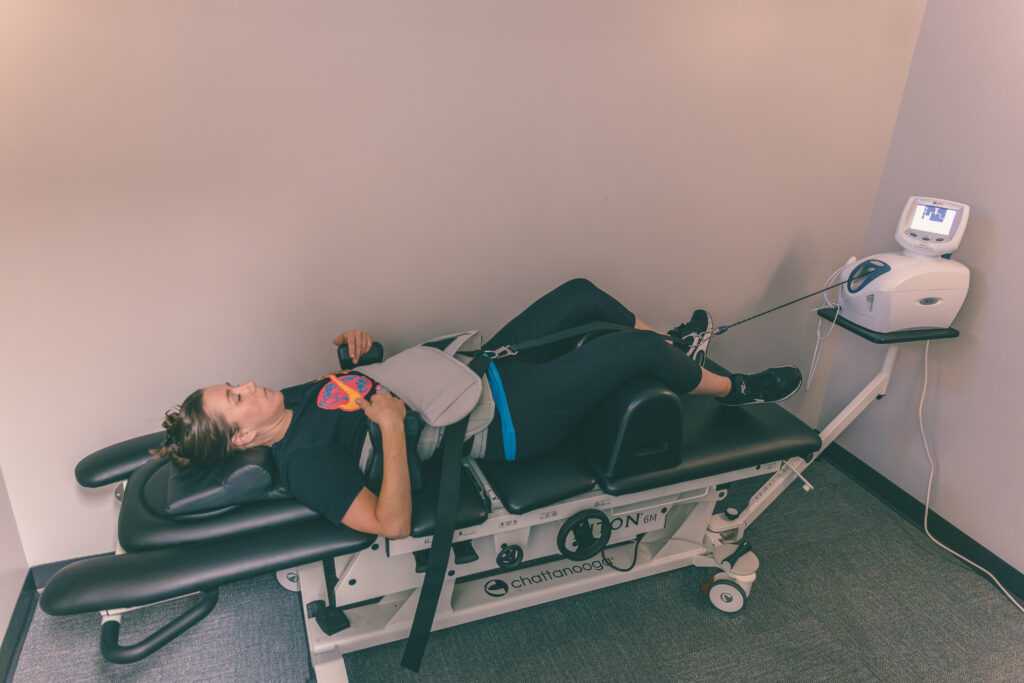
- Spinal X-Ray & Decompression
- Kinesio Taping
- Myofascial Release & Trigger Point Therapy
- Work Injury Treatment
- Wellness Care
Each treatment plan is personalized to improve recovery speed, mobility, nervous system function, and long-term health outcomes.
📍 Location: Eagan, MN
🌐 Armeli Chiropractic
📞 Phone: +1 651-688-0736
This comprehensive approach highlights how chiropractic care can help patients reduce pain, restore movement, and improve quality of life naturally.
Final Thoughts on Myofascial Release Therapy
Understanding What is Myofascial Release Therapy can help individuals explore natural solutions for pain relief, flexibility improvement, and mobility restoration.
Whether you are recovering from sports injuries, dealing with posture-related discomfort, managing stress-related muscle tension, or struggling with chronic pain, Myofascial Release Therapy may help improve movement and overall physical comfort naturally.
Working with a trained therapist experienced in Myofascial Release Techniques can support healthier movement patterns, reduced tension, improved posture, and long-term wellness.
Frequently Asked Questions
How does Myofascial Release Therapy work?
Myofascial Release Therapy works by applying sustained pressure to tight fascia areas in the body. This helps release restrictions, improve flexibility, and reduce pain naturally.
What is the difference between myofascial and massage therapy?
Massage therapy focuses mainly on muscle relaxation, while Myofascial Release Therapy specifically targets fascia restrictions and connective tissue tension.
What are the side effects of Myofascial Release Therapy?
Possible side effects include mild soreness, tenderness, fatigue, or slight bruising after treatment.
What does it feel like when fascia releases?
Patients may feel warmth, reduced tension, increased movement, or deep relaxation when fascia releases during treatment.
Author Bio
Dr. Andrew Armeli, DC
Dr. Andrew Armeli is a National Board Certified Chiropractor practicing at Armeli Chiropractic in Eagan, Minnesota. With extensive experience treating musculoskeletal and neurological conditions, Dr. Armeli is known for delivering patient-centered, results-driven chiropractic care focused on restoring mobility, reducing pain, and improving long-term physical function.
He holds advanced certifications in:
- Whiplash treatment
- Sports rehabilitation
- Performance therapy
- Corrective care techniques
Dr. Armeli develops personalized treatment plans tailored to each patient’s condition, helping individuals achieve long-term wellness naturally without surgery or medication.
He proudly serves patients and families throughout the Twin Cities area, supporting injury recovery, spinal health, preventive care, mobility improvement, and overall wellness.
Outside the clinic, Dr. Armeli enjoys disc golf, fishing, outdoor activities, and spending time with his family and dog, Cora.