
Table of Contents
- Should I See a Chiropractor for Lower Back Pain?
- What’s the Role of Chiropractic Care?
- What Kinds of Conditions Does a Chiropractor Treat?
- How a Chiropractor Helps With Back Pain
- Can a Chiropractor Help With Back Pain?
- What Does a Chiropractor Do for Lower Back Pain?
- When to See a Chiropractor for Back Pain
- When to Schedule an Appointment
- When You Should See a Chiropractor First
- When You Should See a Medical Doctor First
- Physical Therapy vs Chiropractor for Back Pain
- Is a Chiropractor Good for a Herniated Disc?
- Is Chiropractic Care Safe for Back Pain?
- Types of Back Pain Chiropractors Commonly Treat
- What About Sciatica?
- Tips to Prevent Lower Back Pain
- Frequently Asked Questions
- About Armeli Chiropractic
- Author Bio
Lower back pain is one of the leading causes of pain and disability worldwide, affecting people of all ages and lifestyles. Whether it starts after lifting a heavy object, sitting at a desk for hours, playing sports, or simply waking up with stiffness, lower back pain can make everyday activities more difficult and reduce your quality of life.
If you’ve been asking yourself, “Should I see a chiropractor for lower back pain?”, you’re not alone. Many people look for safe, non-surgical treatment options before considering medication or invasive procedures. Chiropractic care is a conservative approach that focuses on improving spinal function, restoring mobility, and helping the body heal naturally.
The key is understanding when chiropractic care may help, what to expect during treatment, and when your symptoms require medical attention instead.
In this comprehensive guide, you’ll learn how chiropractors evaluate lower back pain, the conditions they commonly treat, how chiropractic care compares with other treatment options, and when it’s the right time to schedule an appointment.
Quick Answer
Should you see a chiropractor for lower back pain?
Yes, if your lower back pain is caused by muscle strain, joint dysfunction, poor posture, repetitive movements, or other mechanical issues, chiropractic care may help reduce pain, improve mobility, and restore normal function. However, if your pain follows a serious accident or is accompanied by severe numbness, progressive weakness, fever, or loss of bladder or bowel control, seek immediate medical care before pursuing chiropractic treatment.
Should I See a Chiropractor for Lower Back Pain?
If you’re wondering whether chiropractic care is the right choice for your lower back pain, the answer depends on what’s causing your symptoms and how severe they are.
Lower back pain can result from several factors, including muscle strain, poor posture, repetitive movements, sports injuries, joint dysfunction, or age-related changes in the spine. Many of these conditions fall under mechanical lower back pain, which often responds well to conservative treatment focused on improving movement and reducing stress on the spine.
A chiropractor evaluates how your spine, joints, muscles, and nervous system work together to identify the source of your discomfort. Instead of simply masking symptoms with medication, chiropractic care aims to improve mobility, restore healthy movement, and support long-term spinal health.
You may benefit from seeing a chiropractor for back pain if you experience:
- Persistent lower back stiffness
- Pain after lifting heavy objects
- Discomfort from prolonged sitting or standing
- Recurring lower back pain
- Limited flexibility or restricted movement
- Muscle tightness around the hips or lower back
- Mild to moderate disc-related pain
- Posture-related back discomfort
Many patients choose chiropractic care because it focuses on conservative treatment options that may help improve function without surgery. Depending on your condition, your chiropractor may also recommend exercises, posture corrections, and lifestyle changes to support recovery and reduce the risk of future injuries.
When Chiropractic Care May Not Be the Right Choice
While chiropractic care can help many people with mechanical back pain, some symptoms require immediate medical evaluation.
Seek emergency medical care if you experience:
- Loss of bladder or bowel control
- Severe or worsening leg weakness
- Numbness around the groin or saddle area
- High fever with back pain
- Unexplained weight loss
- Severe pain after a major fall or car accident
- Suspected fracture
- A history of cancer with new or unexplained back pain
These symptoms may indicate a serious medical condition that requires prompt diagnosis and treatment.
What’s the Role of Chiropractic Care?
Many people think chiropractic care is only about spinal adjustments, but its role extends far beyond that.
The role of chiropractic care is to improve the function of the musculoskeletal and nervous systems by restoring healthy movement, reducing joint restrictions, and supporting the body’s natural healing processes.
Rather than treating only the painful area, chiropractors evaluate how different parts of your body work together. For example, limited hip mobility, poor posture, weak core muscles, or repetitive movements can all contribute to lower back pain.
The primary goals of chiropractic care include:
- Improving spinal and joint mobility
- Reducing muscle tension
- Supporting proper posture
- Increasing flexibility
- Enhancing movement patterns
- Helping prevent future injuries
- Promoting long-term spinal health
A Whole-Body Approach to Back Pain
Chiropractic care is often combined with education about healthy lifestyle habits. Your chiropractor may recommend:
- Stretching routines
- Strengthening exercises
- Workplace ergonomic changes
- Safe lifting techniques
- Daily posture improvements
- Activity modifications during recovery
This comprehensive approach helps address the underlying factors contributing to your symptoms instead of focusing solely on pain relief.
What Kinds of Conditions Does a Chiropractor Treat?
A common question patients ask is, “What kinds of conditions does a chiropractor treat?”
Chiropractors specialize in diagnosing and managing musculoskeletal conditions that affect the spine, joints, muscles, ligaments, and nervous system. Treatment plans are tailored to each patient’s symptoms, health history, and lifestyle.
Some of the most common conditions chiropractors evaluate include:
Lower Back Pain
Mechanical lower back pain caused by muscle strain, joint dysfunction, poor posture, or repetitive stress is one of the most frequent reasons people visit a chiropractor.
Neck Pain
Neck discomfort often develops from prolonged computer use, poor sleeping positions, repetitive movements, or minor injuries.
Sciatica
Sciatica occurs when the sciatic nerve becomes irritated or compressed, causing pain, tingling, or numbness that may travel from the lower back into the leg.
Herniated Discs
Some patients with mild to moderate disc problems may benefit from conservative chiropractic care after a thorough examination determines that treatment is appropriate.
Sports Injuries
Athletes frequently seek chiropractic care to improve mobility, support recovery, and help reduce the risk of future injuries.
Whiplash
Whiplash injuries commonly occur after motor vehicle accidents and may cause neck pain, headaches, stiffness, and limited range of motion.
Headaches Related to Neck Tension
Certain headaches may be associated with muscle tightness or restricted movement in the neck and upper back.
Joint Dysfunction
Restricted movement in the shoulders, hips, knees, or spine can affect mobility and contribute to ongoing discomfort.
Because every patient’s condition is different, chiropractors perform a detailed evaluation before recommending treatment.
How a Chiropractor Helps With Back Pain
Understanding how a chiropractor helps with back pain can make it easier to decide whether chiropractic care is right for you.
After evaluating your condition, a chiropractor develops a personalized treatment plan based on your symptoms, movement patterns, and overall health. The goal is to improve function while reducing pain and stiffness.
Treatment may include several conservative techniques.
Spinal Adjustments
Gentle, controlled spinal adjustments are used to improve joint mobility and restore normal movement where restrictions are present.
Joint Mobilization
For some patients, slower and low-force mobilization techniques are used to reduce stiffness and improve flexibility.
Soft Tissue Therapy
Muscle tension often contributes to lower back pain. Techniques such as myofascial release and trigger point therapy may help relax tight muscles, improve circulation, and reduce discomfort.
Rehabilitation Exercises
Specific stretches and strengthening exercises help improve spinal stability, increase flexibility, and support long-term recovery.
Posture and Ergonomic Education
Poor posture can place unnecessary stress on the spine. Chiropractors often provide guidance on proper sitting, standing, lifting, and workstation setup.
Lifestyle Recommendations
Healthy habits such as regular movement, weight management, staying active, and maintaining proper body mechanics can play an important role in preventing future episodes of lower back pain.
Can a Chiropractor Help With Back Pain?
One of the most frequently searched questions online is, “Can a chiropractor help with back pain?”
For many people experiencing mechanical lower back pain, the answer is yes.
Chiropractic care is widely used to help improve spinal function, reduce joint restrictions, and restore healthy movement patterns. While results vary depending on the cause of the pain, many patients report improvements in both mobility and daily comfort.
People often seek chiropractic care for:
- Acute lower back pain
- Chronic back pain
- Muscle strains
- Joint stiffness
- Sports-related injuries
- Posture-related discomfort
- Work-related back pain
Potential benefits may include:
- Reduced pain and stiffness
- Improved flexibility
- Better posture
- Increased range of motion
- Easier movement during daily activities
- Improved quality of life
It’s important to remember that every patient responds differently. Your outcome depends on factors such as your diagnosis, overall health, activity level, and commitment to your treatment plan.
A comprehensive chiropractic evaluation helps determine whether conservative care is appropriate or if another healthcare provider should be involved in your treatment.
What Does a Chiropractor Do for Lower Back Pain?
Many people feel nervous before visiting a chiropractor because they don’t know what to expect. If you’re wondering, “What does a chiropractor do for lower back pain?“, the first visit is focused on understanding the cause of your symptoms and creating a treatment plan that’s right for you.
A chiropractor doesn’t simply treat the painful area. Instead, they evaluate how your spine, joints, muscles, and nervous system work together to identify factors contributing to your discomfort.
Your first appointment typically includes the following steps.
1. Review of Your Medical History
The visit usually begins with a conversation about your health and symptoms. Your chiropractor may ask questions such as:
- When did your lower back pain begin?
- What activities make the pain better or worse?
- Have you had previous back injuries?
- Does the pain travel into your legs?
- What type of work do you do?
- How active is your lifestyle?
- Have you tried other treatments?
Providing detailed answers helps your chiropractor better understand your condition and recommend the most appropriate care.
2. Physical Examination
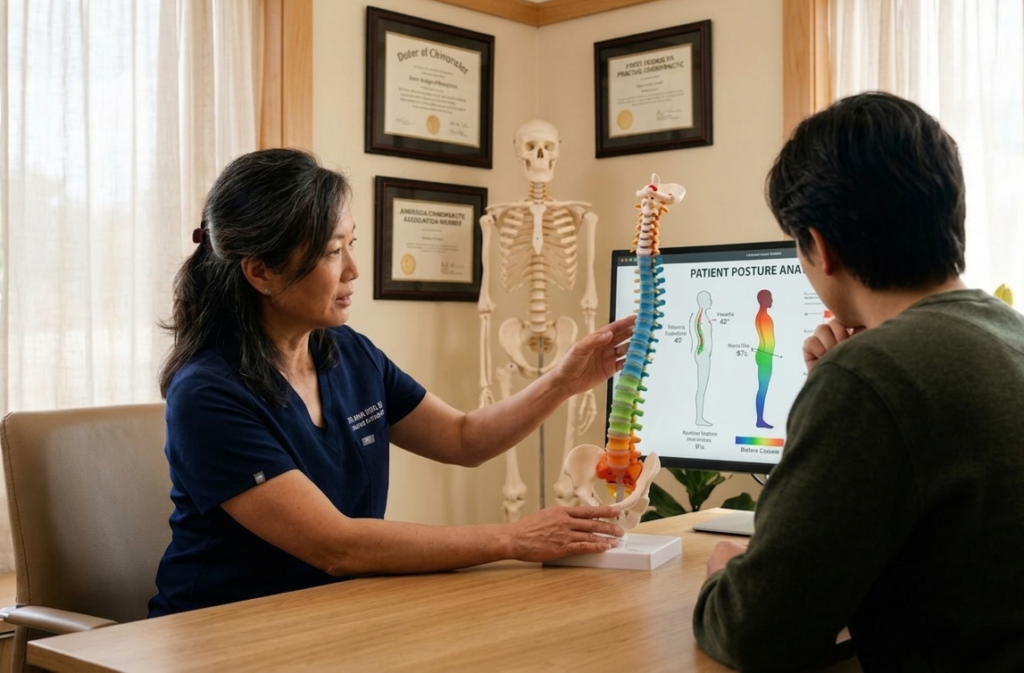
Next, a thorough physical examination is performed to evaluate how your body moves.
This may include:
- Posture analysis
- Range of motion testing
- Muscle strength evaluation
- Joint mobility assessment
- Neurological screening
- Walking and movement analysis
These tests help identify movement restrictions, muscle imbalances, and areas that may be contributing to your lower back pain.
3. Diagnostic Evaluation
If necessary, your chiropractor may recommend additional testing before beginning treatment.
Depending on your symptoms, this could include:
- Spinal X-rays
- Referral for MRI or CT imaging
- Collaboration with your primary care physician or specialist
Diagnostic imaging is only recommended when clinically appropriate and helps ensure you receive the safest and most effective care.
4. Personalized Treatment Plan
After reviewing your examination results, your chiropractor will explain your diagnosis and discuss treatment options.
Your personalized care plan may include:
- Chiropractic adjustments
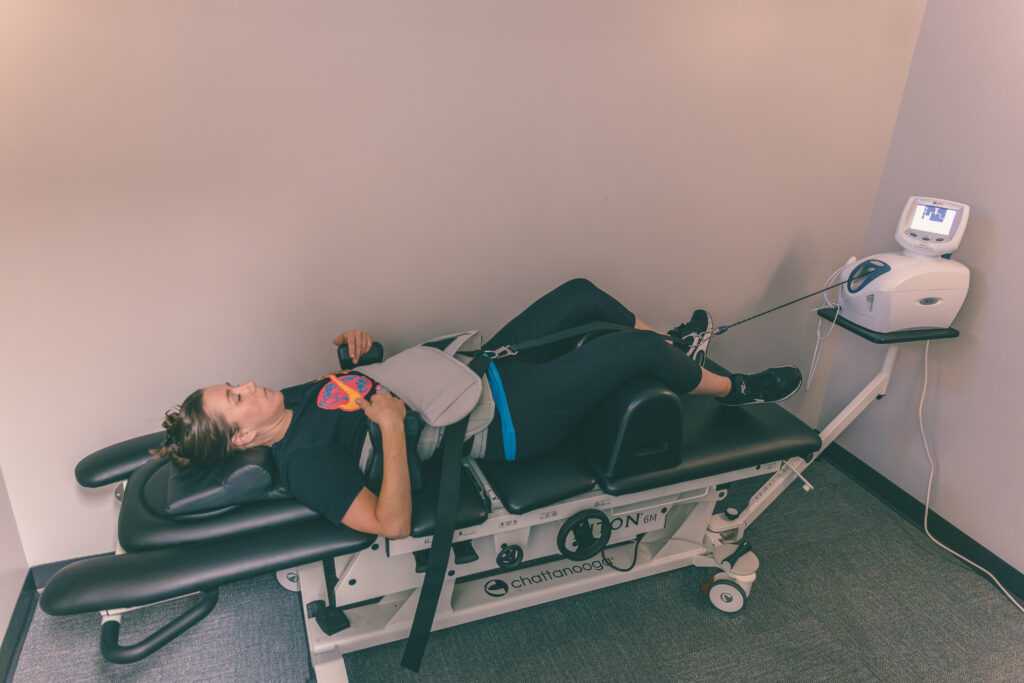
- Spinal decompression (when appropriate)
- Myofascial release
- Trigger point therapy
- Physiotherapy
- Home stretching exercises
- Strengthening exercises
- Lifestyle and ergonomic recommendations
Treatment plans are customized based on your condition, age, activity level, and recovery goals.
When to See a Chiropractor for Back Pain
Knowing when to see a chiropractor for back pain can help you address problems before they begin affecting your daily life.
Many people wait weeks or even months before seeking care, hoping the pain will disappear on its own. While some mild cases improve with rest, persistent or recurring symptoms deserve professional evaluation.
You should consider seeing a chiropractor if:
- Lower back pain lasts longer than several days
- Your pain returns frequently
- Stiffness limits your daily activities
- Sitting or standing becomes uncomfortable
- You experience reduced flexibility
- Back pain interferes with work or exercise
- Pain affects your sleep
- You notice decreased mobility
Early evaluation may help identify the underlying cause and reduce the risk of chronic back problems.
Signs Your Back Pain Shouldn’t Be Ignored
Schedule an appointment if you notice:
- Pain while bending or lifting
- Difficulty getting out of bed
- Morning stiffness that doesn’t improve
- Tight muscles around the hips or lower back
- Pain after sports or exercise
- Discomfort from long hours at a desk
The sooner the cause is identified, the sooner you can begin an appropriate treatment plan.
When to Schedule an Appointment
Many patients ask, “How long should I wait before seeing a chiropractor?”
While minor muscle soreness may improve within a few days, ongoing discomfort shouldn’t be ignored.
It’s a good idea to schedule an appointment if:
- Home remedies aren’t providing relief
- Over-the-counter medications only help temporarily
- Your pain keeps returning
- Movement feels restricted
- Daily tasks become more difficult
- Exercise causes discomfort
- Your quality of life is affected
Early conservative care often helps patients return to their normal routines sooner and may prevent recurring episodes of pain.
When You Should See a Chiropractor First
There are many situations where chiropractic care may be an appropriate first step.
You may want to see a chiropractor first if:
- Your pain started after lifting something heavy
- You have muscle tightness or joint stiffness
- Poor posture appears to be contributing to your symptoms
- You experience recurring mechanical back pain
- Your discomfort increases after prolonged sitting
- Your symptoms improve with gentle movement
- You have no serious neurological symptoms
Chiropractors are trained to recognize when a patient’s condition requires referral to another healthcare professional.
If additional testing or medical treatment is needed, your chiropractor can coordinate care with your primary care physician or specialist.
When You Should See a Medical Doctor First
Although chiropractic care can help many people with mechanical lower back pain, certain symptoms require immediate medical evaluation.
You should seek emergency medical care if you experience:
- Loss of bladder or bowel control
- Numbness in the groin or saddle area
- Progressive leg weakness
- Severe pain following a car accident or fall
- Suspected spinal fracture
- High fever with back pain
- Unexplained weight loss
- History of cancer with new back pain
- Severe infection symptoms
These warning signs may indicate a condition requiring urgent medical treatment.
Red Flag Symptoms Should Never Be Ignored
Prompt medical evaluation is important because serious spinal conditions, infections, fractures, or neurological disorders require specialized care before any conservative treatment is considered.
Your health and safety should always come first.
Physical Therapy vs Chiropractor for Back Pain
A common question patients ask is whether they should choose physical therapy or chiropractic care for lower back pain.
While both healthcare professionals help patients improve movement and reduce pain, they use different treatment approaches.
| Chiropractor | Physical Therapist |
| Focuses on spinal alignment and joint mobility | Focuses on restoring strength and movement |
| Performs chiropractic adjustments | Prescribes therapeutic exercises |
| Uses manual therapy techniques | Uses rehabilitation programs |
| Helps improve joint function | Builds muscle strength and endurance |
| Addresses spinal mechanics | Improves functional movement patterns |
| Often provides hands-on spinal care | Focuses on long-term physical rehabilitation |
Which Treatment Is Better?
The answer depends on your diagnosis and personal goals.
A chiropractor for back pain may be appropriate if your symptoms are related to:
- Joint dysfunction
- Mechanical lower back pain
- Muscle tightness
- Reduced spinal mobility
- Poor posture
Physical therapy may be recommended if your recovery requires:
- Strength rebuilding
- Balance training
- Post-surgical rehabilitation
- Functional exercise programs
In many cases, chiropractic care and physical therapy complement one another. Some patients benefit from combining both approaches as part of a comprehensive treatment plan.
Is a Chiropractor Good for a Herniated Disc?
Many people with disc-related pain ask, “Is a chiropractor good for a herniated disc?”
The answer depends on the severity of the disc injury and your individual symptoms.
A herniated disc develops when part of a spinal disc pushes beyond its normal position, sometimes placing pressure on nearby nerves.
Symptoms may include:
- Lower back pain
- Pain traveling into the leg
- Tingling sensations
- Numbness
- Muscle weakness
Some patients with mild to moderate disc injuries may benefit from carefully selected conservative chiropractic treatment.
Depending on your evaluation, your chiropractor may recommend:
- Gentle chiropractic adjustments
- Spinal decompression
- Soft tissue therapy
- Rehabilitation exercises
- Postural education
- Activity modifications
Every patient is different, so treatment should always be based on a thorough examination rather than the diagnosis alone.
When a Herniated Disc Needs Immediate Medical Care
Seek prompt medical attention if you experience:
- Loss of bladder or bowel control
- Severe or worsening leg weakness
- Progressive numbness
- Difficulty walking
These symptoms may require urgent medical intervention.
Is Chiropractic Care Safe for Back Pain?
One of the biggest concerns for new patients is whether chiropractic care is safe for back pain.
For most healthy adults with mechanical lower back pain, chiropractic care is considered a safe and conservative treatment option when provided by a licensed chiropractor following a proper examination.
Safety begins before treatment starts.
A responsible chiropractor will:
- Review your complete health history
- Perform a detailed examination
- Identify any red flag symptoms
- Discuss treatment options
- Refer you to another healthcare provider when appropriate
Possible Short-Term Reactions
Some patients experience mild temporary effects after treatment, including:
- Muscle soreness
- Mild stiffness
- Temporary fatigue
- Slight tenderness around treated areas
These effects are generally short-lived and often improve within a day or two.
How You Can Support Your Recovery
Following your chiropractor’s recommendations can improve your recovery and help reduce future flare-ups.
Helpful habits include:
- Staying active
- Performing recommended exercises
- Maintaining proper posture
- Using safe lifting techniques
- Attending follow-up visits when advised
Chiropractic care works best as part of a comprehensive approach that includes movement, exercise, and healthy lifestyle habits.
Types of Back Pain Chiropractors Commonly Treat
Not all back pain is the same. Understanding the types of back pain chiropractors commonly treat can help you decide whether chiropractic care may be an appropriate option for your symptoms.
Chiropractors primarily care for musculoskeletal conditions involving the spine, joints, muscles, ligaments, and nervous system. After a comprehensive evaluation, they create personalized treatment plans based on each patient’s diagnosis, lifestyle, and health goals.
Here are some of the most common types of back pain chiropractors evaluate and treat.
Acute Lower Back Pain
Acute lower back pain develops suddenly and often lasts for a few days or weeks. It commonly occurs after:
- Lifting heavy objects
- Twisting awkwardly
- Sports injuries
- Overexertion
- Sudden movements
Early conservative care may help restore mobility and reduce discomfort.
Chronic Lower Back Pain
Pain lasting longer than 12 weeks is generally considered chronic.
People with chronic back pain often experience:
- Ongoing stiffness
- Limited movement
- Recurring flare-ups
- Difficulty with daily activities
A chiropractor may combine manual therapy, rehabilitation exercises, and lifestyle recommendations to help improve long-term spinal function.
Mechanical Back Pain
Mechanical lower back pain is one of the most common reasons people visit a chiropractor.
It is often related to:
- Joint dysfunction
- Muscle imbalance
- Poor posture
- Repetitive movements
- Reduced spinal mobility
This type of pain usually changes with movement or body position.
Muscle Strains and Ligament Sprains
Everyday activities such as lifting, bending, exercising, or physical work can overstretch muscles and ligaments.
Treatment may focus on reducing muscle tension, improving flexibility, and restoring normal movement.
Posture-Related Back Pain
Modern lifestyles often involve prolonged sitting, computer work, and excessive phone use.
Poor posture can increase stress on the spine and surrounding muscles, leading to persistent discomfort over time.
Sports Injuries
Athletes frequently develop back pain from repetitive movements, impact, or overtraining.
Chiropractic care may support:
- Recovery
- Mobility
- Flexibility
- Injury prevention
- Athletic performance
Work-Related Back Pain
Physically demanding jobs and prolonged desk work can both contribute to lower back pain.
Your chiropractor may recommend:
- Ergonomic improvements
- Workplace stretching routines
- Movement strategies
- Safe lifting techniques
What About Sciatica?
Another common question patients ask is, “What about sciatica?”
Sciatica is not a diagnosis itself but a collection of symptoms caused by irritation or compression of the sciatic nerve.
The sciatic nerve begins in the lower back and travels through the hips, buttocks, and down each leg.
Common symptoms include:
- Pain radiating down one leg
- Burning sensations
- Tingling
- Numbness
- Muscle weakness
- Pain that worsens while sitting
Can Chiropractic Care Help Sciatica?
Depending on the underlying cause, chiropractic care may help improve spinal movement and reduce pressure contributing to sciatic nerve irritation.
Treatment may include:
- Chiropractic adjustments
- Spinal decompression (when appropriate)
- Myofascial release
- Trigger point therapy
- Stretching exercises
- Rehabilitation exercises
- Postural education
Every patient should receive an individualized evaluation before treatment begins.
When Sciatica Requires Immediate Medical Care
Seek emergency medical attention if sciatica is accompanied by:
- Loss of bladder or bowel control
- Severe leg weakness
- Progressive numbness
- Difficulty walking
These symptoms require prompt medical evaluation.
Tips to Prevent Lower Back Pain
Although not every back injury can be prevented, healthy daily habits can significantly reduce your risk.
Maintain Good Posture
Whether sitting or standing, keeping your spine in a neutral position helps reduce unnecessary strain.
Stay Active
Regular physical activity keeps muscles strong and joints flexible.
Choose activities such as:
- Walking
- Swimming
- Cycling
- Stretching
- Strength training
Strengthen Your Core
Strong abdominal and back muscles provide better spinal support during daily activities.
Lift Properly
When lifting heavy objects:
- Bend at your knees
- Keep the object close to your body
- Avoid twisting
- Lift with your legs
Take Breaks From Sitting
If you spend long hours at a desk:
- Stand every 30–60 minutes
- Stretch regularly
- Walk briefly throughout the day
Maintain a Healthy Weight
Extra body weight places additional stress on your lower back and joints.
Sleep on a Supportive Mattress
Proper spinal alignment during sleep can reduce morning stiffness and discomfort.
Small lifestyle changes can have a lasting impact on your spinal health.
Frequently Asked Questions (FAQs)
1. Is it worth seeing a chiropractor for lower back pain?
Yes. Many people with mechanical lower back pain experience reduced pain, improved mobility, and better overall function through chiropractic care. A chiropractor can determine whether conservative treatment is appropriate based on your condition.
2. Can a chiropractor fix lower back pain?
A chiropractor can diagnose and manage many causes of lower back pain, but results vary depending on the underlying condition. Treatment focuses on reducing pain, restoring movement, and improving long-term spinal health.
3. How much does chiropractic care cost?
The cost varies depending on the clinic, location, treatment plan, and insurance coverage. Contact your local chiropractic office for the most accurate pricing information.
4. How many chiropractic visits will I need?
The number of visits depends on your diagnosis, the severity of your symptoms, your overall health, and your recovery goals. Your chiropractor will recommend a personalized treatment plan after your initial evaluation.
5. Can chiropractic care help prevent future back pain?
Yes. Along with treatment, chiropractors provide education on posture, exercise, stretching, ergonomics, and healthy movement habits that may help reduce the likelihood of recurring back pain.
Chiropractic Care at Armeli Chiropractic in Eagan, MN
If you’re searching for a trusted chiropractor for back pain in Eagan, MN, Armeli Chiropractic provides personalized, conservative care designed to help patients move better, feel better, and return to their daily activities with confidence.
Led by Dr. Andrew Armeli, DC, the clinic takes a patient-centered approach, beginning with a comprehensive evaluation to understand the cause of your symptoms before recommending a customized treatment plan.
Services Available at Armeli Chiropractic
Armeli Chiropractic offers a wide range of evidence-informed chiropractic and rehabilitation services, including:
- Chiropractic Care
- Pediatric Care
- Prenatal Care
- Athlete Care
- Auto Injury Care
- Activator Method
- Intersegmental Traction
- Spinal X-Ray
- Spinal Decompression
- Kinesio Taping
- Myofascial Release
- Trigger Point Therapy
- Physiotherapy
- Work Injuries Care
- Webster Technique
- Wellness Care
Whether you’re dealing with lower back pain, neck pain, sports injuries, pregnancy-related discomfort, or recovering from an auto accident, the team focuses on individualized care to help improve mobility, reduce pain, and support long-term wellness.
Armeli Chiropractic
Location: Eagan, MN
Phone: +1 651-688-0736
Website: Chiropractor Eagan, MN
Map: Armeli Chiropractic – Eagan, MN
Schedule an appointment to receive a thorough evaluation and learn which conservative treatment options may be right for your specific condition.
Author Bio
Dr. Andrew Armeli, DC
Dr. Andrew Armeli is a National Board Certified Chiropractor serving patients in Eagan, Minnesota, and the surrounding Twin Cities communities. He has advanced certifications in whiplash care, pre-sports physicals, and performance rehabilitation, allowing him to provide personalized chiropractic care for patients of all ages and activity levels. Dr. Armeli is committed to improving neurological function, musculoskeletal health, and overall wellness through evidence-informed, patient-centered treatment. His approach emphasizes helping patients move better, recover from injuries, and maintain long-term spinal health. Outside the clinic, Dr. Armeli enjoys playing disc golf, fishing, and spending quality time with his family and his dog, Cora.