
Table of Contents
- What Is Chiropractic Care?
- Is a Chiropractor a Real Doctor?
- Is a Chiropractor Considered a Doctor?
- Who Is a Chiropractor Doctor?
- What Does It Mean to Be a Chiropractor?
- The Chiropractic Degree
- DC Training Path
- Steps to Become a Chiropractor
- Do Chiropractors Go to Medical School?
- MD vs DC: The Big Differences
- How Are Medical Doctors Different Than Chiropractors?
- What Kind of Doctor Is a Chiropractor?
- Is a Chiropractor a Medical Doctor?
- Chiropractor Is a Doctor or Not?
- Are Chiropractors Licensed?
- Benefits of Chiropractic Care
- When Should You See a Chiropractor?
- Personalized Chiropractic Care at Armeli Chiropractic
- Conclusion
- Frequently Asked Questions
- Author Bio – Dr. Andrew Armeli, DC
If you’ve ever wondered, “Is a chiropractor a real doctor?”, you’re not alone. It’s one of the most frequently asked questions by people considering chiropractic care for the first time. Many people want to know whether chiropractors receive formal medical training, what qualifications they hold, and how they compare to medical doctors.
The short answer is yes. Chiropractors are licensed healthcare professionals who earn a Doctor of Chiropractic (DC) degree after completing years of higher education, extensive clinical training, and licensing examinations. While they are not Medical Doctors (MDs), they are recognized as doctors within their profession and are qualified to diagnose and treat many musculoskeletal conditions.
Chiropractors specialize in helping patients improve spinal health, joint function, mobility, and nervous system performance through non-surgical, evidence-informed care. Their goal is to identify the root cause of pain and movement problems while helping patients recover naturally whenever appropriate.
In this guide, you’ll learn:
- What chiropractic care is
- Whether chiropractors are considered real doctors
- Who is chiropractor
- The education required to become a chiropractor
- Whether chiropractors attend medical school
- The differences between a Doctor of Chiropractic (DC) and a Medical Doctor (MD)
- How chiropractors become licensed healthcare providers
By the end of this article, you’ll have a clear understanding of the chiropractic profession and why millions of people trust chiropractors to help them live healthier, more active lives.
What Is Chiropractic Care?
Before answering “Is a chiropractor a real doctor?”, it’s important to understand what chiropractic care actually involves.
Chiropractic care is a healthcare profession focused on diagnosing, treating, and preventing disorders of the musculoskeletal and nervous systems. Chiropractors pay particular attention to how the spine, joints, muscles, and nerves work together to support movement, balance, and overall physical health.
Rather than relying primarily on medication or surgery, chiropractic care emphasizes conservative, hands-on treatment designed to restore mobility, reduce pain, and improve the body’s natural ability to heal.
Every patient receives an individualized assessment so treatment can be tailored to their specific condition, lifestyle, and health goals.
Common Chiropractic Treatments
Depending on your diagnosis, a chiropractor may recommend:
- Chiropractic adjustments
- Joint mobilization
- Myofascial release
- Trigger point therapy
- Kinesio taping
- Physiotherapy
- Rehabilitation exercises
- Intersegmental traction
- Spinal decompression
- Lifestyle and ergonomic recommendations
Many chiropractic clinics also offer specialized care for athletes, pregnant women, children, and individuals recovering from auto or workplace injuries.
Conditions Chiropractors Commonly Treat
Patients frequently visit chiropractors for:
- Lower back pain
- Neck pain
- Sciatica
- Herniated discs
- Headaches
- Sports injuries
- Auto accident injuries
- Joint stiffness
- Muscle tension
- Shoulder pain
- Hip pain
- Poor posture
- Reduced mobility
Because chiropractic care focuses on conservative treatment, many patients choose it before considering injections or surgery for musculoskeletal conditions.
Is a Chiropractor a Real Doctor?
The answer is yes.
A chiropractor is a licensed healthcare professional who earns a Doctor of Chiropractic (DC) degree from an accredited chiropractic college. This doctoral-level education includes years of scientific coursework, clinical training, and supervised patient care.
Many people mistakenly believe that only physicians who attend medical school are “real doctors.” In reality, several healthcare professions award professional doctorate degrees. Dentists, pharmacists, optometrists, physical therapists, and chiropractors all earn doctoral qualifications within their respective healthcare fields.
A chiropractor is therefore a real doctor, but not a Medical Doctor (MD).
Instead of prescribing medications or performing surgery, chiropractors specialize in evaluating and treating musculoskeletal and nervous system conditions using evidence-informed, non-invasive treatment methods.
Is a Chiropractor Considered a Doctor?
Yes.
A chiropractor is considered a doctor because they complete a professional doctoral program and satisfy the licensing requirements required to practice healthcare.
The Doctor of Chiropractic curriculum includes advanced education in:
- Human anatomy
- Physiology
- Neurology
- Biomechanics
- Pathology
- Orthopedics
- Diagnostic imaging
- Clinical diagnosis
- Rehabilitation
- Chiropractic techniques
- Patient management
In addition to classroom instruction, chiropractic students complete extensive clinical internships where they evaluate patients, develop treatment plans, and provide supervised chiropractic care.
This combination of academic education and practical experience prepares chiropractors to safely diagnose musculoskeletal disorders, recommend appropriate treatment, and recognize conditions requiring referral to another healthcare provider.
Who Is a Chiropractor Doctor?
Many people ask, “Who is a chiropractor doctor?”
A chiropractor is a healthcare professional who specializes in diagnosing and treating disorders involving the spine, joints, muscles, ligaments, and nervous system.
Their primary goal is to improve movement, restore function, reduce pain, and help patients recover from injuries without surgery whenever appropriate.
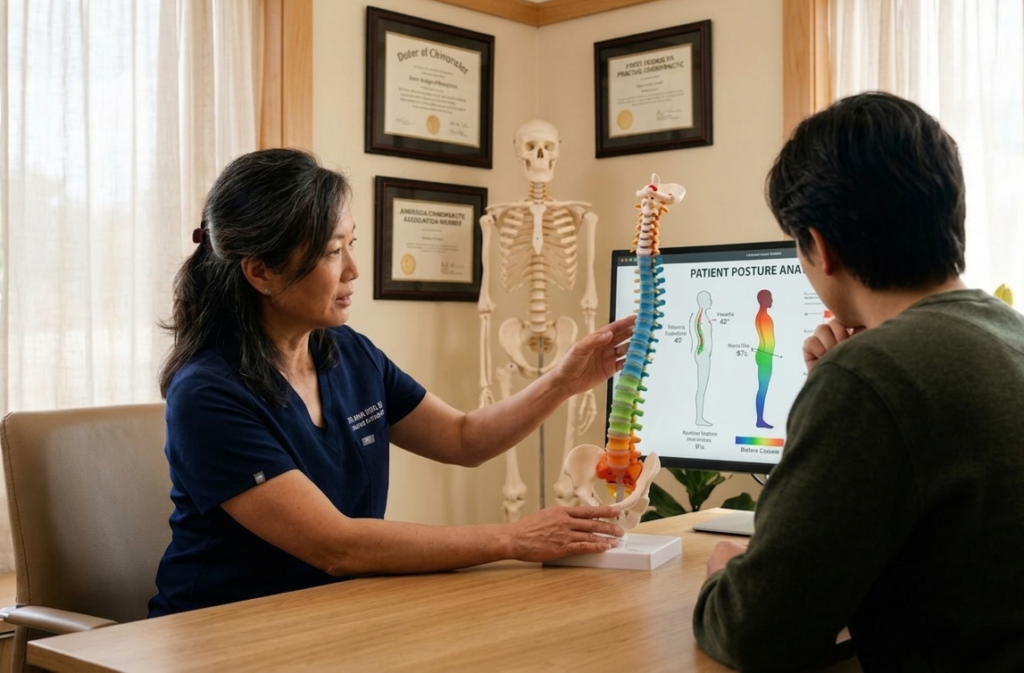
During an initial consultation, chiropractors typically:
- Review medical history
- Discuss symptoms
- Perform physical examinations
- Assess posture
- Evaluate spinal movement
- Test muscle strength
- Conduct orthopedic and neurological assessments
- Review imaging studies if necessary
Using this information, chiropractors create individualized treatment plans designed to improve mobility, reduce pain, and prevent future injuries.
What Does It Mean to Be a Chiropractor?
Being a chiropractor means helping patients achieve better movement, improved function, and long-term wellness through evidence-informed healthcare.
Modern chiropractors do much more than perform spinal adjustments. They educate patients about posture, ergonomics, injury prevention, exercise, and healthy lifestyle habits that support long-term spinal health.
A chiropractor’s responsibilities include:
- Diagnosing musculoskeletal conditions
- Performing chiropractic adjustments
- Recommending rehabilitation exercises
- Monitoring recovery progress
- Educating patients
- Preventing recurring injuries
- Coordinating care with other healthcare providers when necessary
Their patient-centered approach focuses on identifying and treating the root cause of pain while helping patients maintain long-term physical health.
The Chiropractic Degree
One reason chiropractors are recognized as doctors is because they complete a rigorous Doctor of Chiropractic (DC) program.
A DC degree is a professional doctoral qualification that prepares graduates to diagnose and manage disorders affecting the musculoskeletal and nervous systems.
Chiropractic students study:
- Gross anatomy
- Physiology
- Neuroscience
- Biochemistry
- Pathology
- Orthopedics
- Diagnostic imaging
- Nutrition
- Rehabilitation sciences
- Chiropractic techniques
- Clinical diagnosis
- Patient management
- Ethics and professional practice
Students also complete laboratory training and supervised clinical internships before graduation.
By the time they earn their degree, chiropractic graduates have completed thousands of hours of classroom instruction and hands-on clinical experience.
DC Training Path
The path to becoming a chiropractor requires years of higher education and practical clinical training.
Complete Undergraduate Prerequisites
Most chiropractic colleges require applicants to complete prerequisite coursework in biology, chemistry, physics, and other science-related subjects before admission.
Earn a Doctor of Chiropractic Degree
Students complete an accredited chiropractic program combining classroom education with extensive laboratory and clinical experience.
Complete Clinical Internship
Before graduating, chiropractic students treat patients under the supervision of experienced chiropractors, allowing them to gain valuable real-world clinical experience.
These internships help students build diagnostic skills, clinical reasoning, and confidence before entering independent practice.
Steps to Become a Chiropractor
Becoming a licensed chiropractor generally involves five major steps:
1. Complete College Prerequisites
Students complete undergraduate coursework required for admission to chiropractic school.
2. Earn a Doctor of Chiropractic Degree
Students complete rigorous doctoral education focused on musculoskeletal healthcare.
3. Pass Licensing Examinations
Graduates must pass national or regional board examinations demonstrating scientific knowledge and clinical competency.
4. Obtain State Licensure
Each state establishes licensing requirements chiropractors must meet before practicing.
5. Continue Professional Education
Licensed chiropractors regularly complete continuing education courses to maintain licensure and remain current with advances in healthcare.
Do Chiropractors Go to Medical School?
One of the most common questions patients ask is, “Do chiropractors go to medical school?”
The answer is no.
Chiropractors attend accredited chiropractic colleges, while physicians attend medical schools. Although both educational pathways are rigorous and require years of study, they prepare graduates for different healthcare roles.
Medical education focuses on diagnosing and treating diseases using medication, surgery, and medical procedures.
Chiropractic education emphasizes:
- Spinal health
- Joint mechanics
- Nervous system function
- Chiropractic adjustments
- Rehabilitation
- Functional movement
- Conservative pain management
Both professions contribute significantly to patient care and frequently collaborate when patients require multidisciplinary treatment.
MD vs DC: The Big Differences
| Medical Doctor (MD) | Doctor of Chiropractic (DC) |
| Earns a medical degree | Earns a Doctor of Chiropractic degree |
| Attends medical school | Attends an accredited chiropractic college |
| Can prescribe medication | Generally cannot prescribe medication |
| May perform surgery | Does not perform major surgery |
| Treats a broad range of illnesses | Specializes in musculoskeletal and nervous system conditions |
| Commonly practices in hospitals and medical clinics | Primarily practices in outpatient chiropractic clinics |
| Uses medication, surgery, and medical procedures | Uses chiropractic adjustments, rehabilitation, and conservative therapies |
Both professions play valuable roles in healthcare. While their education and treatment methods differ, they often work together to provide comprehensive, patient-centered care.
How Are Medical Doctors Different Than Chiropractors?
Although chiropractors are doctors, their scope of practice differs significantly from that of medical doctors.
Medical doctors diagnose and treat diseases affecting nearly every organ system and may prescribe medications, perform surgery, and provide emergency medical care.
Chiropractors specialize in evaluating and treating conditions involving the spine, joints, muscles, ligaments, and nervous system. Their treatment focuses on restoring movement, reducing pain, improving function, and supporting long-term musculoskeletal health through conservative care.
For example, someone experiencing chest pain, pneumonia, or severe infection should seek immediate medical attention from a physician. In contrast, someone with mechanical back pain, neck stiffness, sports injuries, or posture-related discomfort may benefit from chiropractic care.
An important part of chiropractic practice is recognizing when a patient’s condition requires medical evaluation. When necessary, chiropractors refer patients to the appropriate healthcare professional to ensure they receive the most appropriate treatment.
What Kind of Doctor Is a Chiropractor?
Many people searching for answers ask, “What kind of doctor is a chiropractor?” A chiropractor is a Doctor of Chiropractic (DC) who specializes in diagnosing, treating, and preventing conditions related to the musculoskeletal and nervous systems.
Chiropractors focus on how the spine, joints, muscles, and nervous system work together to support movement, posture, and overall health. Their goal is to improve mobility, reduce discomfort, restore function, and help patients maintain a healthier lifestyle through conservative, hands-on care.
Unlike medical doctors who primarily treat diseases using medications, surgery, and medical procedures, chiropractors focus on natural, non-invasive approaches such as:
- Chiropractic adjustments
- Spinal decompression
- Therapeutic exercises
- Physiotherapy
- Soft tissue therapy
- Myofascial release
- Trigger point therapy
- Postural correction
- Wellness care
A chiropractor may also help patients improve performance, recover from injuries, and maintain optimal physical function through customized treatment plans.
Is a Chiropractor a Medical Doctor?
A common question people ask is, “Is a chiropractor a medical doctor?”
The answer is no.
A chiropractor is not a Medical Doctor (MD). Instead, chiropractors earn a Doctor of Chiropractic (DC) degree after completing specialized education focused on spinal health, biomechanics, diagnosis, rehabilitation, and conservative patient care.
Medical doctors and chiropractors have different educational paths and areas of expertise.
Medical Doctors (MDs) are trained in:
- Internal medicine
- Surgery
- Emergency care
- Pharmacology
- Disease management
- Medical procedures
Chiropractors (DCs) are trained in:
- Anatomy
- Neurology
- Musculoskeletal diagnosis
- Spinal health
- Joint function
- Rehabilitation
- Manual therapy
- Injury prevention
Both healthcare professionals provide valuable services, and many patients benefit from a collaborative approach where chiropractors and medical doctors work together.
Chiropractor Is a Doctor or Not?
If you are wondering, “Is a chiropractor a doctor or not?”, the answer is yes.
A chiropractor is a real doctor within the chiropractic profession. Chiropractors complete doctoral-level education, clinical training, and licensing requirements before they can provide patient care.
The title Doctor of Chiropractic (DC) reflects their advanced education and specialized knowledge in treating musculoskeletal and nervous system conditions.
Similar to other healthcare professionals with professional doctorates, such as dentists and optometrists, chiropractors are recognized healthcare providers within their field.
The key difference is that chiropractors are not physicians and do not receive the same medical training as MDs.
Are Chiropractors Licensed?
Yes, chiropractors must be licensed before practicing.
Licensing ensures that chiropractors meet professional standards for education, clinical competency, and ethical patient care.
Generally, chiropractors must:
- Graduate from an accredited chiropractic college
- Complete extensive clinical training
- Pass required licensing examinations
- Meet state-specific requirements
- Complete continuing education courses
In Minnesota, licensed chiropractors must maintain their credentials and continue professional education to stay updated with current healthcare practices.
Patients should always choose a licensed chiropractor who follows professional standards and provides individualized care based on their health needs.
Benefits of Chiropractic Care
Chiropractic care provides a conservative approach for people looking to improve movement, reduce discomfort, and support long-term wellness.
Potential benefits of chiropractic care include:
- Reduced back and neck pain
- Improved spinal mobility
- Better posture
- Increased flexibility
- Enhanced athletic performance
- Improved joint function
- Faster injury recovery
- Reduced muscle tension
- Better movement patterns
- Personalized wellness strategies
Because every person’s condition is different, chiropractors create customized care plans based on symptoms, lifestyle, goals, and overall health.
When Should You See a Chiropractor?
You may consider visiting a chiropractor if you experience:
- Lower back pain
- Neck pain or stiffness
- Sciatica symptoms
- Sports injuries
- Auto accident injuries
- Work-related injuries
- Joint discomfort
- Muscle tightness
- Poor posture
- Limited mobility
- Headaches related to neck tension
Chiropractic care may also benefit individuals who are not currently experiencing pain but want to improve posture, maintain mobility, and support overall wellness.
Personalized Chiropractic Care at Armeli Chiropractic
If you’re searching for trusted chiropractic care in Eagan, MN, Armeli Chiropractic provides personalized, patient-focused treatment designed to help you move better, recover faster, and improve your overall quality of life.
Led by Dr. Andrew Armeli, DC, the clinic focuses on improving neurological function, musculoskeletal health, and overall wellness through customized chiropractic solutions.
Whether you’re dealing with chronic pain, recovering from an injury, preparing for athletic performance, experiencing discomfort during pregnancy, or seeking preventative wellness care, Armeli Chiropractic creates individualized treatment plans based on your specific needs.
The team combines advanced chiropractic techniques with modern therapies to support patients of all ages, from children and families to athletes and individuals recovering from injuries.
Our Services
- Chiropractic Care
- Pediatric Care
- Prenatal Care
- Athlete Care
- Auto Injury Care
- Activator Method
- Intersegmental Traction
- Spinal X-Ray
- Spinal Decompression
- Kinesio Taping
- Myofascial Release
- Trigger Point Therapy
- Physiotherapy
- Work Injuries Care
- Webster Technique
- Wellness Care
Every patient receives a thorough evaluation to understand their condition and create a safe, effective, and personalized treatment plan.
Whether you need relief from pain, injury recovery support, or wellness-focused chiropractic care, Armeli Chiropractic is dedicated to helping you achieve better movement and improved health.
Armeli Chiropractic
Location: Eagan, MN
Phone: +1 651-688-0736
Website: Chiropractor Eagan, MN
Map: Armeli Chiropractic – Eagan, MN
Conclusion
So, is a chiropractor a real doctor?
Yes. Chiropractors are licensed healthcare professionals who earn a Doctor of Chiropractic (DC) degree after completing extensive education, clinical training, and licensing requirements.
Although chiropractors are not medical doctors, they are highly trained specialists who focus on diagnosing and treating conditions affecting the spine, joints, muscles, and nervous system.
Whether you are experiencing back pain, recovering from an injury, improving athletic performance, or simply maintaining your wellness, chiropractic care can be an important part of your healthcare journey.
At Armeli Chiropractic in Eagan, MN, patients receive personalized, evidence-informed care designed to improve function, reduce discomfort, and support long-term health.
Frequently Asked Questions
Is a chiropractor a real doctor?
Yes. Chiropractors earn a Doctor of Chiropractic (DC) degree and are licensed healthcare professionals specializing in musculoskeletal and nervous system care.
Is a chiropractor considered a doctor?
Yes. Chiropractors hold a professional doctoral degree and are recognized as doctors within their licensed healthcare profession.
What kind of doctor is a chiropractor?
A chiropractor is a Doctor of Chiropractic (DC) who specializes in diagnosing and treating conditions involving the spine, joints, muscles, and nervous system.
Is a chiropractor a medical doctor?
No. Chiropractors are not Medical Doctors (MDs). They have specialized training in chiropractic care rather than traditional medical school education.
Do chiropractors go to medical school?
No. Chiropractors attend accredited chiropractic colleges where they study anatomy, diagnosis, rehabilitation, and chiropractic techniques.
Are chiropractors licensed?
Yes. Chiropractors must complete education requirements, pass licensing examinations, and maintain professional credentials.
What conditions do chiropractors treat?
Chiropractors commonly treat back pain, neck pain, sports injuries, auto injuries, joint problems, muscle tension, and mobility issues.
Can children see a chiropractor?
Yes. Pediatric chiropractic care uses gentle techniques designed specifically for children when appropriate.
Can pregnant women see a chiropractor?
Yes. Prenatal chiropractic care, including techniques such as the Webster Technique, is designed to support comfort and mobility during pregnancy.
How often should I visit a chiropractor?
The frequency of visits depends on your condition, goals, and treatment plan recommended by your chiropractor.
Author Bio
Dr. Andrew Armeli, DC
Dr. Andrew Armeli is a National Board Certified Chiropractor in Eagan, Minnesota, dedicated to helping patients improve neurological function, musculoskeletal health, and overall wellness.
With advanced certifications in whiplash care, pre-sports physicals, and performance rehabilitation, Dr. Armeli provides personalized chiropractic solutions for individuals, families, and athletes throughout the Twin Cities area.
His approach focuses on identifying the root causes of discomfort and creating customized treatment plans that support long-term health and improved quality of life.
Outside the clinic, Dr. Armeli enjoys disc golf, fishing, and spending quality time with his family and dog, Cora.