Have you ever experienced lower back pain after sitting for too long, lifting something heavy, or bending down? Sometimes, this discomfort can be related to a spinal condition called a bulging disc.
A bulging disc is a common spine problem that can cause back pain, stiffness, tingling, or numbness. However, not everyone with a bulging disc experiences symptoms. Some people have a bulging disc without even knowing it.
The good news is that many people improve with proper care, exercise, and lifestyle changes. Surgery is usually not the first treatment option.
Understanding what a bulging disc is, what causes it, and how it can be treated can help you make better decisions about your spinal health. Let’s explore everything you need to know about this condition and the available treatment options.
What Is a Bulging Disc?
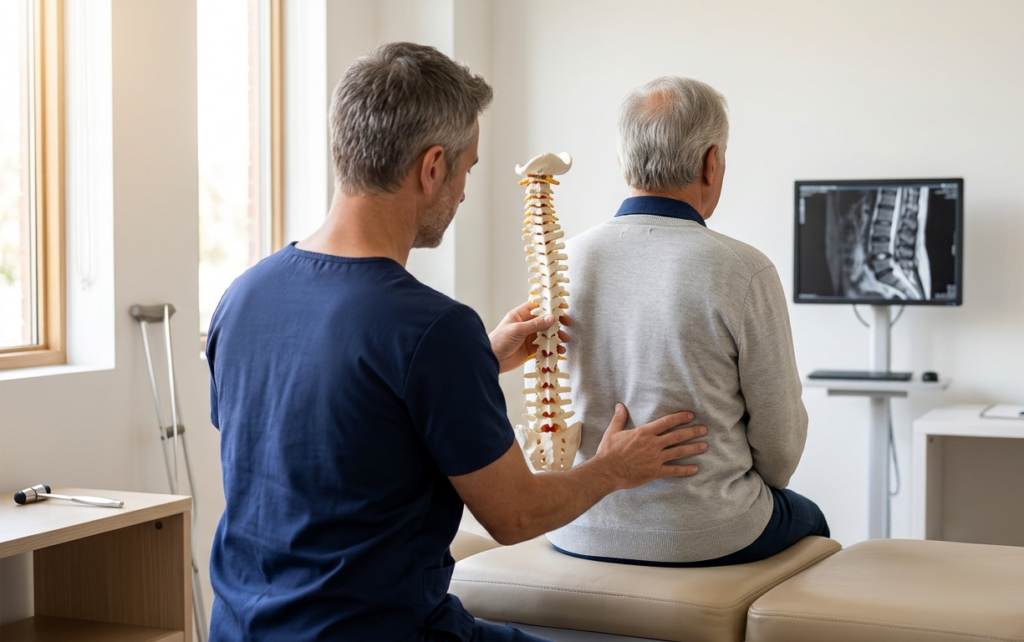
Your spine is made up of small bones called vertebrae. Between these bones are soft cushions called spinal discs. These discs act like shock absorbers, helping your spine support your body, absorb pressure, and move comfortably.
Each spinal disc has two main parts:
-
Outer layer: A strong, flexible covering that protects the disc.
-
Inner center: A soft, jelly-like material that helps absorb pressure.
A bulging disc occurs when a spinal disc extends beyond its normal boundary. The outer covering generally remains intact, but the disc spreads outward.
Think of it like a cushion that becomes wider when pressure is placed on it.
Bulging discs commonly develop in the lower back and neck. If a bulging disc irritates nearby nerves, it may cause pain, tingling, numbness, or weakness.
However, having a bulging disc does not automatically mean you have a serious problem. Many adults have disc bulges that do not cause any symptoms.
What Causes a Bulging Disc?
Several factors can contribute to a bulging disc. Common causes include:
-
Aging: Spinal discs gradually lose water and flexibility as we get older.
-
Poor posture: Sitting with your back bent for long periods can increase spinal strain.
-
Heavy lifting: Incorrect lifting techniques can put extra pressure on your back.
-
Long periods of sitting: Limited movement can contribute to back discomfort and muscle weakness.
-
Extra body weight: Additional weight can increase stress on the lower back.
-
Smoking: Smoking can negatively affect spinal disc health.
-
Injuries: Falls, accidents, and sudden movements may contribute to disc problems.
In many cases, a combination of these factors contributes to disc changes.
Common Symptoms of a Bulging Disc
Some people have no symptoms, while others experience discomfort depending on the location of the affected disc.
Common symptoms include:
-
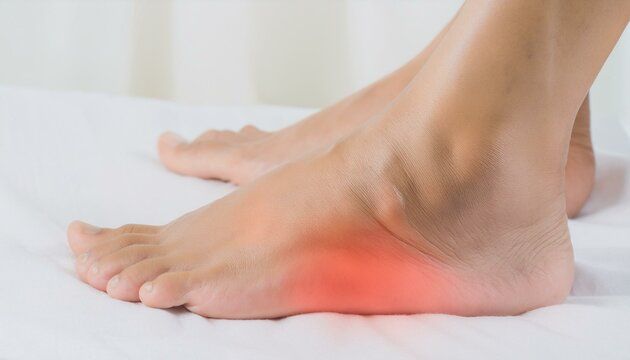
Lower back or neck pain
-
Pain that travels into the arms or legs
-
Tingling or numbness
-
Muscle weakness
-
Back stiffness, especially in the morning
-
Discomfort after sitting for long periods
A bulging disc in the lower back may sometimes irritate the sciatic nerve. This can cause sciatica, a type of pain that travels from the lower back into the buttocks and down one leg.
A bulging disc in the neck may cause pain that spreads into the shoulders, arms, or hands.
Symptoms can vary depending on the location of the disc and the nerves involved.
Can a Bulging Disc Heal Without Surgery?
Yes. Many people with a bulging disc improve without surgery.
Although the disc may not return completely to its original shape, inflammation and nerve irritation can decrease over time. The surrounding muscles can also become stronger with appropriate exercises.
The goal of treatment is to reduce discomfort, improve movement, and help you return to your normal activities.
Gentle walking, suitable exercises, and professional guidance may support recovery.
Avoid staying in bed for long periods unless your healthcare professional recommends it. Too much rest can lead to muscle weakness and stiffness.
If your symptoms continue or become worse, seek a professional evaluation.
Bulging Disc Treatment Options
Treatment depends on your symptoms, medical history, and examination results.
Common nonsurgical options include:
Physical Therapy: Exercises can strengthen the muscles supporting your spine and improve flexibility.
Chiropractic Care: Certain chiropractic techniques may help improve joint movement and manage some types of back discomfort.
Spinal Decompression: This treatment uses a specialized table to apply controlled stretching forces to the spine. Some patients explore it for disc-related discomfort, although results vary and evidence of its effectiveness is limited.
Medication: Appropriate pain-relief medication may help manage discomfort. Consult a healthcare professional before using medication.
Lifestyle Changes: Regular walking, better posture, and careful lifting habits can support spinal health.
Surgery may be considered when serious nerve problems develop or symptoms do not improve with appropriate conservative treatment.
Can a Chiropractor Help With a Bulging Disc?
Chiropractic care may help some people manage back pain and improve movement.
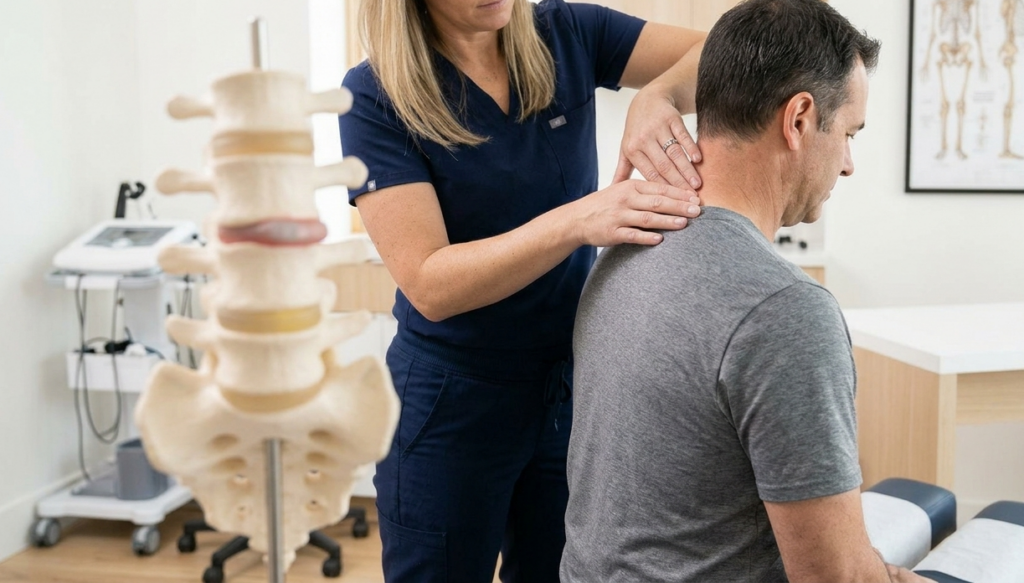
A chiropractor generally begins by reviewing your medical history and evaluating your posture, movement, and possible nerve-related symptoms.
Depending on the examination, treatment may include:
-
Gentle chiropractic techniques
-
Soft tissue therapy
-
Therapeutic exercises
-
Posture recommendations
-
Spinal decompression, when appropriate
Not every patient is suitable for spinal adjustments or decompression. A proper examination is important before beginning treatment.
A qualified healthcare professional can also help determine whether you need additional medical evaluation or a referral to another specialist.
How to Support Your Spine Every Day
Healthy daily habits can help reduce unnecessary stress on your back.
Here are some simple tips:
-
Take short walks throughout the day.
-
Avoid sitting for several hours without breaks.
-
Maintain good posture while working.
-
Use proper lifting techniques.
-
Follow exercises recommended by your healthcare professional.
-
Maintain a healthy body weight.
-
Get enough rest and choose a comfortable sleeping position.
Small changes made consistently can support better movement and overall spinal health.
When Should You Seek Medical Attention?
Most bulging discs are not emergencies. However, certain symptoms require immediate medical attention.
Visit an emergency department if you experience:
-
Loss of bladder or bowel control
-
Numbness around the groin or inner thighs
-
Sudden or rapidly worsening weakness in one or both legs
These symptoms may indicate a serious condition called cauda equina syndrome. It requires urgent medical evaluation and treatment.
Do not wait for these symptoms to improve on their own.
Chiropractic Treatment for Bulging Disc at Armeli Chiropractic in Eagan, MN
Living with back discomfort, joint pain, or stiffness can make everyday activities more challenging. Simple tasks such as walking, sitting, bending, or exercising may become difficult.
Understanding the cause of your discomfort is an important first step toward finding appropriate care.
At Armeli Chiropractic in Eagan, Minnesota, Dr. Andrew Armeli and the clinic team provide chiropractic care for musculoskeletal concerns.
Available services include:
An evaluation can help determine whether your symptoms may be related to mechanical joint or muscle problems and whether the clinic’s services are appropriate for your needs.
For patients with suspected inflammatory arthritis, joint infections, or other medical conditions, evaluation and treatment by an appropriate medical professional remain essential.
Chiropractic care may help manage certain musculoskeletal symptoms, but it does not cure arthritis or replace medical treatment.
Armeli Chiropractic Location and Contact Information
If you are experiencing persistent musculoskeletal discomfort, contact Armeli Chiropractic to discuss available services and appointment options.
Armeli Chiropractic
-
Location: Eagan, MN
-
Phone: +1 651-688-0736
-
Website: Chiropractor in Eagan, MN
Contact the clinic to learn more about chiropractic services, spinal decompression, and personalized care options.
Frequently Asked Questions
Can a bulging disc heal on its own?
Yes. Many people experience improvement over time with gentle movement, appropriate exercises, and conservative care.
How long does a bulging disc take to heal?
Many people notice improvement within 6 to 12 weeks, although recovery varies depending on the severity of symptoms and individual health.
Is walking good for a bulging disc?
Gentle walking may help maintain movement and reduce stiffness. Avoid activities that increase your pain.
Can chiropractic care help with disc-related pain?
Chiropractic care may help some people manage musculoskeletal discomfort. An examination is important to determine whether treatment is appropriate.
Is a bulging disc the same as a herniated disc?
No. A bulging disc extends outward while its outer covering generally remains intact. A herniated disc involves a tear or opening through which inner disc material pushes outward.
Final Thoughts
A bulging disc can cause back pain, stiffness, tingling, and discomfort, but it does not always require surgery. Many people improve with appropriate care, regular movement, and healthy lifestyle habits.
The most important step is understanding your symptoms and choosing a treatment approach that suits your individual needs.
If back or neck discomfort is affecting your everyday life, consider getting a professional evaluation.
Armeli Chiropractic in Eagan, MN, offers several chiropractic services for patients interested in exploring options for their musculoskeletal health. Contact the clinic to learn more about available services and determine whether an appointment may be right for you.
About the Author
Dr. Andrew Armeli is a chiropractor at Armeli Chiropractic in Eagan, Minnesota.
According to the professional biography supplied for this article, he is a National Board Certified Chiropractor with additional certifications in whiplash care, pre-sports physicals, and performance rehabilitation.
His professional interests include musculoskeletal health, neurological function, physical performance, and individualized patient care.
Dr. Armeli works with patients in the Twin Cities area, helping them explore appropriate chiropractic care for their musculoskeletal concerns.
Outside his professional work, he enjoys disc golf, fishing, and spending time with his family and dog, Cora.