
Table of contents:
1. Introduction
2. What Is a Chiropractic Adjustment?
3. Who Is a Chiropractor?
4. What Does a Chiropractor Do?
5. What Does a Chiropractic Adjustment Do?
6. What Are the Benefits of a Chiropractic Adjustment?
7. Why Is a Chiropractic Adjustment Done?
8. How Chiropractic Adjustments Work
9. Who Can Get a Chiropractic Adjustment?
10. What Happens Before a Chiropractic Adjustment?
11. What to Expect During a Chiropractic Adjustment
12. What Happens During a Chiropractic Adjustment?
13. How Do Chiropractors Know Where to Adjust?
14. Does a Chiropractic Adjustment Hurt?
15. What Happens After a Chiropractic Adjustment?
16. How Will I Feel After a Chiropractic Adjustment?
17. Results of Chiropractic Adjustment Care
18. How Does a Chiropractor Perform a Chiropractic Adjustment?
19. Is Chiropractic Care Safe?
20. When Should I See My Chiropractor?
21. Chiropractic Care at Armeli Chiropractic in Eagan, MN
22. Conclusion
23. Frequently Asked Questions
24. Author Bio
If you’ve ever dealt with back pain, neck stiffness, headaches, joint discomfort, or limited mobility, you may have found yourself asking: what does a chiropractic adjustment do? It’s one of the most common questions people have before visiting a chiropractor, especially if they’ve never had an adjustment before.
A chiropractic adjustment is designed to improve the way your joints move, reduce restrictions in the spine and other areas of the body, and help you feel and function better overall. Whether discomfort is related to posture, repetitive stress, sports activity, pregnancy-related strain, work injuries, or a recent auto accident, chiropractic care can play an important role in restoring mobility and supporting recovery.
In this guide, we’ll explain what a chiropractic adjustment is, what a chiropractor does, why chiropractic adjustments are performed, how chiropractic adjustments work, and what you can expect before, during, and after treatment. We’ll also cover safety, benefits, and who may benefit from chiropractic care.
What Is a Chiropractic Adjustment?
A chiropractic adjustment is a hands-on or instrument-assisted technique used by a licensed chiropractor to improve the movement and function of a joint that is restricted or not moving properly. Although chiropractic adjustments are most commonly associated with the spine, they can also be used to address dysfunction in other joints throughout the body, depending on the patient’s condition.
When joints become restricted because of poor posture, repetitive stress, sports injuries, work-related strain, pregnancy changes, or everyday wear and tear, they can contribute to pain, stiffness, tension, and reduced mobility. A chiropractic adjustment applies a controlled, precise force to the affected joint to help restore motion and reduce stress on surrounding tissues.
The goal of a chiropractic adjustment is to:
- Restore joint mobility
- Reduce pain and stiffness
- Improve flexibility and range of motion
- Support better posture and movement patterns
- Reduce tension in surrounding muscles
- Improve overall physical function and comfort
Many people seek chiropractic care for:
- Back pain
- Neck pain
- Sciatica
- Headaches and migraines
- Sports injuries
- Joint stiffness
- Poor posture
- Pregnancy-related discomfort
- Auto accident injuries
- Work-related strain
Who Is a Chiropractor?
A chiropractor is a licensed healthcare professional trained to evaluate, diagnose, and treat conditions affecting the musculoskeletal and nervous systems. Chiropractors focus on how the spine, joints, muscles, posture, and movement patterns influence pain, mobility, and overall body function.
Rather than relying on surgery or medication as a first-line option for every issue, chiropractors typically use conservative, non-invasive treatments to improve movement, reduce discomfort, and support the body’s natural healing process. Chiropractic care often includes spinal adjustments, soft tissue work, corrective exercises, movement guidance, and wellness strategies tailored to the patient’s needs.
What Does a Chiropractor Do?
Many people ask, what does a chiropractor do during a visit?
A chiropractor does much more than simply “crack your back.” A good chiropractic visit starts with understanding how your body is moving, where restrictions are present, and what may be contributing to pain or dysfunction. The chiropractor then develops a treatment plan based on your symptoms, health history, exam findings, and goals.
A chiropractor may:
- Review your health history and current symptoms
- Assess posture, movement, and spinal alignment
- Evaluate joint mobility and muscle tension
- Identify areas of restriction, imbalance, or dysfunction
- Perform chiropractic adjustments when appropriate
- Recommend stretches, exercises, or mobility work
- Use soft tissue therapy or supportive rehab methods
- Provide ergonomic, lifestyle, or wellness recommendations
The goal is to help you move better, feel better, and improve the way your body functions both now and over time.
What Does a Chiropractic Adjustment Do?
So, what does a chiropractic adjustment do exactly?
A chiropractic adjustment helps restore motion to joints that are not moving properly. When a joint becomes restricted, it can affect the way your body moves and may contribute to pain, stiffness, muscle tightness, poor posture, and reduced flexibility. By improving the movement of that joint, chiropractic care can reduce stress on the surrounding tissues and help the body move more comfortably and efficiently.
What chiropractic adjustments may help do:
- Improve spinal and joint mobility
- Reduce pain and stiffness
- Decrease muscle tension
- Improve posture and body mechanics
- Increase flexibility and range of motion
- Support recovery from sports, work, or auto injuries
- Help patients move more comfortably during everyday activities
Chiropractic adjustments are not a cure-all, but for many patients with musculoskeletal pain and mobility issues, they can be a highly effective part of a broader treatment plan.
What Are the Benefits of a Chiropractic Adjustment?
The benefits of a chiropractic adjustment can vary from person to person, but many patients notice improvements in comfort, movement, and daily function.
Common benefits of a chiropractic adjustment include:
Pain Relief
Adjustments may help reduce discomfort associated with back pain, neck pain, headaches, sciatica, and joint stiffness.
Improved Mobility
Restoring motion in restricted joints can make bending, turning, walking, lifting, and exercising feel easier and more natural.
Better Posture
Poor joint mobility and muscle tension can contribute to posture issues. Chiropractic care may help support more balanced movement and alignment.
Reduced Tension
When spinal or joint restrictions improve, surrounding muscles may relax and feel less tight.
Improved Physical Performance
Whether you’re an athlete, a parent, or someone with a physically demanding job, better movement often supports better performance and less strain.
Support for Natural Healing
Chiropractic care is designed to support the body’s natural ability to heal and adapt without relying solely on medication.
Why Is a Chiropractic Adjustment Done?
A common question from new patients is Why is a chiropractic adjustment done?
Chiropractors perform adjustments to improve movement in joints that are restricted, irritated, or not functioning properly. These restrictions can develop from repetitive stress, poor posture, prolonged sitting, sports injuries, lifting injuries, auto accidents, or daily wear and tear.
A chiropractic adjustment may be done to help address:
- Back pain
- Neck pain and stiffness
- Sciatica
- Headaches
- Joint dysfunction
- Poor posture
- Sports-related strain or injuries
- Workplace-related discomfort
- Auto injury-related tension or restricted movement
The purpose is to improve joint mechanics, reduce irritation, and help patients move and function with less pain and more confidence.
How Chiropractic Adjustments Work
Understanding how chiropractic adjustments work can make your first appointment feel a lot less intimidating.
When a joint doesn’t move correctly, the tissues around it can become irritated. Muscles may tighten to protect the area, posture may change, and other parts of the body may begin to compensate. A chiropractic adjustment uses a controlled force to improve the movement of that joint and reduce the restriction.
How chiropractic adjustments work in simple terms:
- The chiropractor identifies a joint that isn’t moving properly.
- Your body is positioned to target that area safely and specifically.
- A quick, controlled adjustment is applied.
- The joint moves more normally, which may reduce tension and improve comfort.
Sometimes patients hear a popping or cracking sound during the adjustment. This is often caused by gas being released from the joint and is generally harmless. The sound itself isn’t the goal—the goal is better joint function.
Who Can Get a Chiropractic Adjustment?
Another common question is who can get a chiropractic adjustment?
Many adults and families seek chiropractic care for musculoskeletal discomfort, posture-related tension, pregnancy-related changes, sports injuries, work strain, or reduced mobility. Chiropractic care may be appropriate for people who want a non-invasive, movement-focused approach to pain relief and physical function.
People who may benefit from a chiropractic adjustment include:
- Adults with back pain or neck pain
- Office workers with posture-related tension
- Athletes with mobility restrictions or overuse injuries
- Expecting mothers experiencing pregnancy-related discomfort
- Children and teens in appropriate pediatric chiropractic settings
- Patients recovering from auto injuries or work injuries
- Individuals with stiffness, tension, or reduced flexibility
A licensed chiropractor will determine whether an adjustment is appropriate based on your symptoms, health history, and physical exam findings.
What Happens Before a Chiropractic Adjustment?
If you’ve never been to a chiropractor before, you may wonder what happens before a chiropractic adjustment.
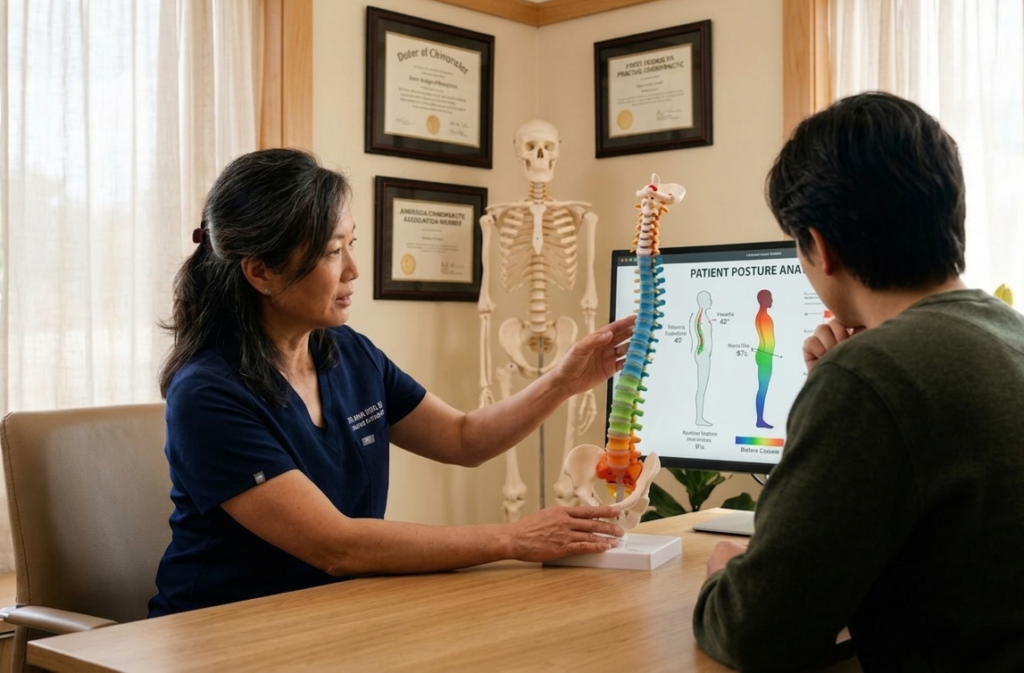
Before treatment, the chiropractor will perform a thorough evaluation to understand your symptoms, health history, movement limitations, and treatment goals. This step is essential because it helps determine whether chiropractic care is appropriate and which treatment methods are likely to be the best fit for your condition.
Before a chiropractic adjustment, your visit may include:
- Reviewing your medical history and current symptoms
- Discussing your pain, mobility limitations, and health goals
- Performing a physical examination
- Assessing posture and movement patterns
- Testing range of motion and joint mobility
- Checking muscle tension and spinal alignment
- Ordering X-rays or additional evaluation if needed
A proper assessment helps your chiropractor create a personalized care plan rather than taking a one-size-fits-all approach.
What to Expect During a Chiropractic Adjustment
If you’re new to treatment, it’s natural to ask what to expect during a chiropractic adjustment.
During the visit, your chiropractor will position you on a treatment table based on the area being addressed. They may ask you to relax while they prepare the joint for a specific, controlled correction. Some adjustments are performed manually with the hands, while others may use low-force or instrument-assisted techniques, such as the Activator Method.
Most adjustments take only a few moments, and many patients are surprised by how quick and comfortable the process feels.
What Happens During a Chiropractic Adjustment?
You may also want to know what happens during a chiropractic adjustment in more detail.
During the adjustment, the chiropractor applies a controlled force to a targeted joint to help restore movement and reduce restriction. The treatment is precise and based on the findings from your evaluation.
What happens during a chiropractic adjustment?
- The chiropractor identifies the area that needs treatment
- Your body is positioned for a safe and specific correction
- A quick, controlled force or instrument-assisted movement is applied
- The goal is to improve mobility, reduce stiffness, relieve tension, and support better body function
Depending on your condition, your chiropractor may adjust one area or multiple areas during the same visit.
How Do Chiropractors Know Where to Adjust?
Patients often ask, how do chiropractors know where to adjust?
Chiropractors determine where to adjust by evaluating your posture, spinal motion, joint mobility, muscle tension, pain patterns, and the way your body moves. They use clinical reasoning—not guesswork—to identify which joints are restricted and which areas may be contributing to your symptoms.
Chiropractors may look at:
- Restricted joint motion
- Areas of tenderness or tightness
- Postural imbalances
- Functional movement limitations
- Muscle asymmetry
- Spinal alignment and body mechanics
For example, someone with lower back pain may also have tight hips, poor posture, or a mobility issue higher up in the spine. A proper exam helps the chiropractor treat the bigger picture, not just the spot that hurts.
Does a Chiropractic Adjustment Hurt?
One of the most common questions patients have is Does a chiropractic adjustment hurt?
For most people, chiropractic adjustments are not painful. Some patients feel immediate relief, while others feel a sense of looseness or increased mobility after treatment. In certain cases—especially if the area is already inflamed or sensitive—you may feel mild soreness afterward, similar to the feeling after a workout or stretching session.
This temporary soreness usually goes away within 24 to 48 hours. Chiropractors can also modify their techniques based on your comfort level, age, health history, and condition.
What Happens After a Chiropractic Adjustment?
It’s also helpful to understand what happens after a chiropractic adjustment.
After treatment, some patients notice less stiffness, improved movement, or a feeling of relief in the treated area. Others may feel mild soreness or fatigue as the body adapts to the change in joint motion. This is usually temporary.
What happens after a chiropractic adjustment may include:
- Better range of motion
- Reduced tension or pressure
- Improved posture awareness
- Mild soreness that fades within a day or two
- Recommendations for stretching, hydration, or activity modification
- Follow-up care suggestions based on your condition
Your chiropractor may also recommend exercises or supportive therapies to help reinforce the progress made during treatment.
How Will I Feel After a Chiropractic Adjustment?
Patients often ask, how will I feel after a chiropractic adjustment?
There isn’t one universal answer because every person responds differently, but common experiences include:
- Increased mobility
- Reduced tension
- Better flexibility
- A sense of relief or lightness
- Improved posture awareness
- Greater relaxation
Some people feel a noticeable change right away, while others experience gradual improvement over a series of visits.
Results of Chiropractic Adjustment Care
The results of chiropractic adjustment care vary depending on the patient’s condition, health history, and treatment goals.
Potential results of chiropractic adjustment care may include:
- Reduced pain and stiffness
- Improved joint mobility and range of motion
- Better posture and movement mechanics
- Improved comfort during daily activity
- Better performance during work, exercise, or sports
- Support for long-term spinal and musculoskeletal health
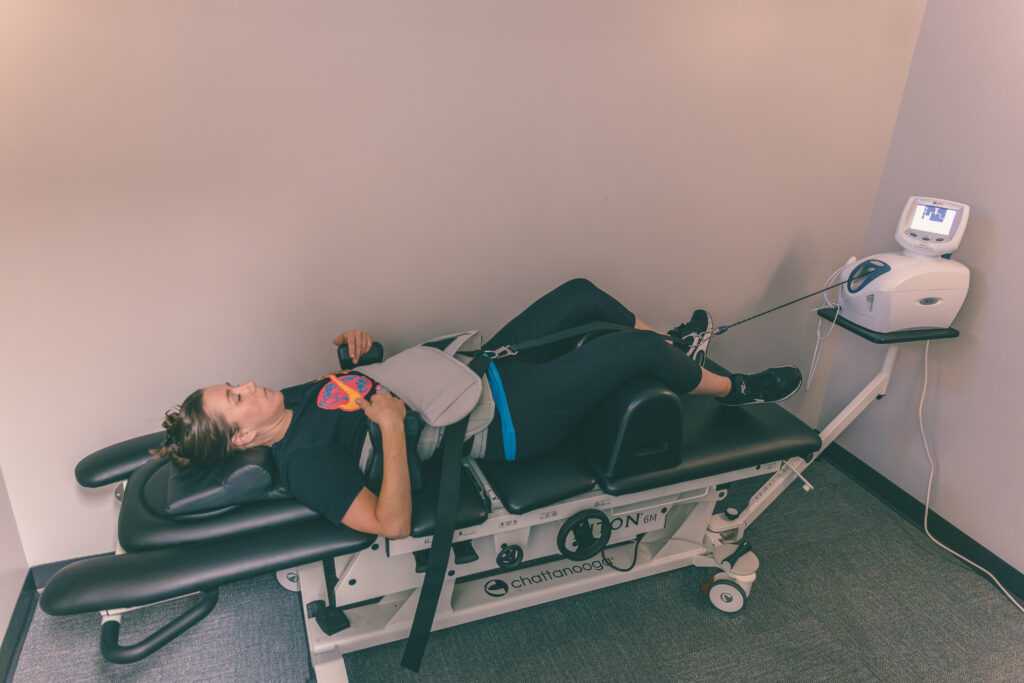
For best results, chiropractic adjustments are often paired with exercises, soft tissue work, posture correction, decompression, or other supportive therapies.
How Does a Chiropractor Perform a Chiropractic Adjustment?
Another common question is how does a chiropractor performs a chiropractic adjustment.
The chiropractor first identifies the joint or region that needs treatment through examination and movement testing. They then choose the most appropriate technique based on your condition, age, comfort level, and treatment goals.
A chiropractor may perform an adjustment using:
- Traditional hands-on spinal manipulation
- The Activator Method for a gentle, instrument-assisted approach
- Mobilization techniques for sensitive patients
- Extremity adjustments for shoulders, hips, wrists, knees, or ankles
The exact method used depends on what your body needs and what is safest and most effective for your situation.
Is Chiropractic Care Safe?
A very important question for any patient is: is chiropractic care safe?
When performed by a licensed and qualified chiropractor, chiropractic care is generally considered safe for many musculoskeletal conditions. Safety begins with a proper evaluation. Your chiropractor should review your history, assess your symptoms, perform an exam, and determine whether chiropractic care is appropriate before beginning treatment.
Some conditions may require medical referral, imaging, or a different treatment approach. That’s why individualized care and clinical judgment are so important.
When Should I See My Chiropractor?
You may be wondering, when should I see my chiropractor?
It may be time to schedule an evaluation if pain, stiffness, headaches, poor posture, or mobility issues are interfering with your daily routine, work, sleep, workouts, or overall comfort.
You should consider seeing a chiropractor if you have:
- Persistent back pain
- Neck stiffness or tension
- Frequent headaches
- Poor posture from work or daily habits
- Limited mobility or reduced flexibility
- Sports injuries or overuse strain
- Discomfort after a car accident
- Ongoing joint pain or stiffness
Early treatment can often help prevent minor problems from becoming more persistent or harder to manage later.
Chiropractic Care at Armeli Chiropractic in Eagan, MN
If you’re looking for personalized chiropractic care in Eagan, MN, Armeli Chiropractic offers a comprehensive, patient-centered approach focused on improving mobility, reducing pain, and supporting long-term wellness. The clinic provides care for a wide range of patients, from adults with back and neck pain to athletes, children, pregnant women, and individuals recovering from auto or work injuries.
Services at Armeli Chiropractic include:
- Chiropractic Care
- Pediatric Care
- Prenatal Care
- Athlete Care
- Auto Injury Care
- Activator Method
- Intersegmental Traction
- Spinal X-Ray
- Spinal Decompression
- Kinesio Taping
- Myofascial Release
- Trigger Point Therapy
- Physiotherapy
- Work Injuries Care
- Webster Technique
- Wellness Care
Whether you need help with chronic pain, pregnancy-related discomfort, athletic recovery, whiplash care, posture problems, or family wellness support, Armeli Chiropractic offers tailored care designed to meet your goals.
Armeli Chiropractic
Location: Eagan, MN
Phone: +1 651-688-0736
Website: chiropractor in Eagan, MN
Map: Armeli Chiropractic – Eagan, MN
Author Bio: Dr. Andrew Armeli, DC
Dr. Andrew Armeli, DC is a National Board Certified Chiropractor from Eagan, Minnesota, with advanced certifications in whiplash care, pre-sports physicals, and performance rehabilitation. He is dedicated to improving neurological function, musculoskeletal health, and patient wellness across the Twin Cities.
At Armeli Chiropractic, Dr. Armeli focuses on helping patients move better, recover faster, and maintain long-term spinal and physical health through personalized chiropractic care. In his free time, he enjoys disc golf, fishing, and spending quality time with his family and dog, Cora.
Conclusion
Understanding what a chiropractic adjustment does can help you make a more informed and confident decision about your care. Chiropractic adjustments are designed to restore motion to restricted joints, reduce pain and stiffness, improve mobility, and support better overall function. Whether you’re dealing with back pain, neck tension, posture-related strain, sports injuries, pregnancy discomfort, or recovery after an auto accident, chiropractic care may be a valuable part of your treatment plan.
If discomfort or limited movement is affecting your quality of life, a consultation with a qualified chiropractor can help you understand what’s causing the problem and what steps may help you feel better.
Frequently Asked Questions
Are Chiropractic Adjustments Good for Your Body?
For many people, chiropractic adjustments can help improve mobility, reduce pain, support posture, and enhance overall musculoskeletal function. They are commonly used as part of a non-invasive approach to managing joint and spine-related discomfort.
Why Do Doctors Discourage Chiropractors?
Some medical professionals may be cautious when chiropractic care is used for conditions outside its scope or when it replaces necessary medical treatment. However, chiropractic care is widely used for musculoskeletal conditions and often works well alongside other healthcare services.
What Actually Happens When the Chiropractor Adjusts You?
A chiropractor applies controlled force to a restricted joint to help restore movement and improve function. You may hear a popping sound, which is usually caused by gas being released from the joint.
What Should You Not Do After Seeing a Chiropractor?
Avoid heavy lifting, intense exercise, or poor posture immediately after your visit unless your chiropractor advises otherwise. It’s also a good idea to stay hydrated and follow any aftercare instructions or recommended stretches.