Table of contents:
1. Introduction
2. What Is Chiropractic Care?
3. What Does It Mean to Be a Chiropractor?
4. Is a Chiropractor Considered a Specialist?
5. The Chiropractic Degree
6. Chiropractors: Specialized Education, Extensive Clinical Experience
7. The DC Training Path
8. Steps to Become a Chiropractor
9. Are Chiropractors Licensed?
10. What Kind of Doctor Is a Chiropractor?
11. Is a Chiropractor Considered a Doctor?
12. Is a Chiropractor a Medical Doctor?
13. Is a Chiropractor a Real Doctor?
14. Chiropractor Is a Doctor or Not?
15. Do Chiropractors Go to Medical School?
16. How Are Medical Doctors Different Than Chiropractors?
17. MD vs DC: The Big Differences
18. Trusted Chiropractic Care in Eagan, MN
19. Conclusion
20. Author Bio
Introduction
If you’ve ever visited a chiropractor or considered booking an appointment, you may have wondered, Is a chiropractor considered a specialist? It’s a common question, especially since chiropractors focus on a specific area of healthcare—treating conditions related to the spine, joints, muscles, and nervous system.
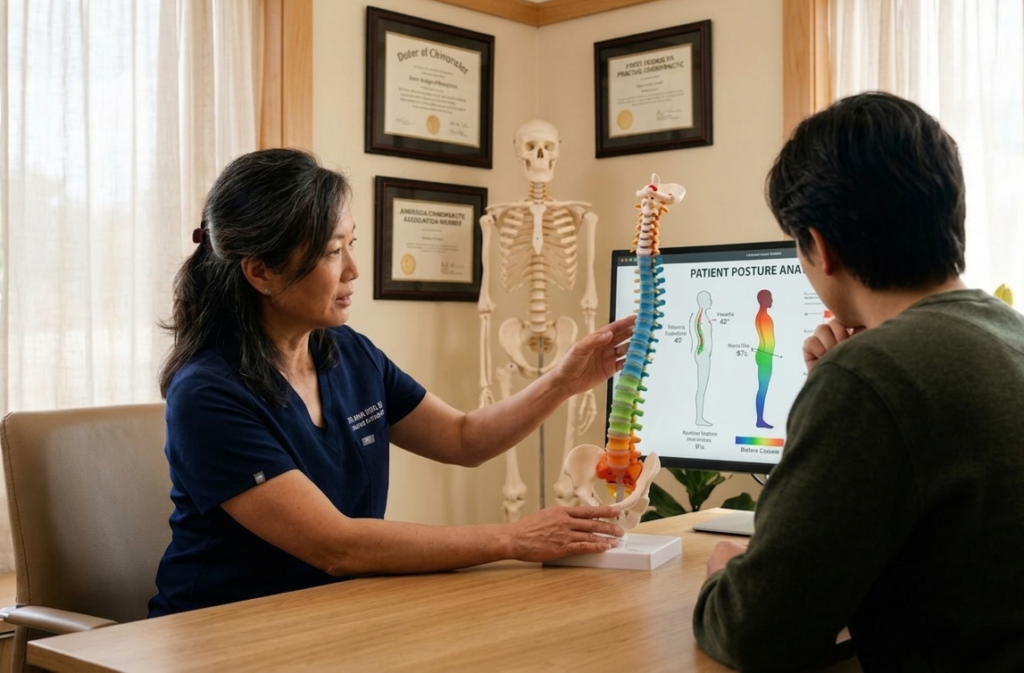
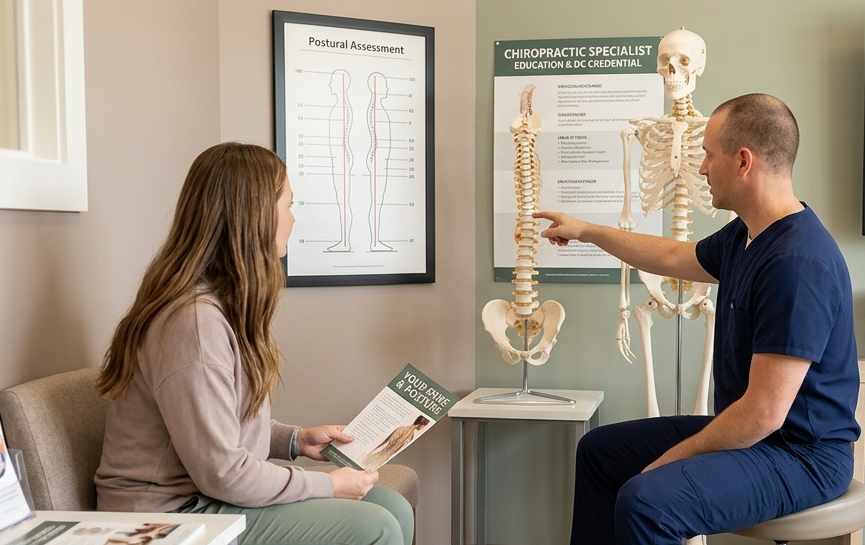
While chiropractors are not medical doctors, they undergo extensive education and training to become experts in musculoskeletal health. Their specialized knowledge allows them to diagnose, manage, and treat conditions that affect movement, posture, spinal function, and overall physical well-being.
In this article, we’ll explore what chiropractic care is, the educational requirements chiropractors complete, their licensing process, whether chiropractors are considered doctors, and how they differ from medical doctors. By the end, you’ll have a clear understanding of whether a chiropractor is considered a specialist and the important role chiropractors play in healthcare.
What Is Chiropractic Care?
Before answering whether a chiropractor is considered a specialist, it’s important to understand What Is Chiropractic Care.
Chiropractic care is a healthcare profession focused on diagnosing, treating, and preventing disorders affecting the musculoskeletal system, particularly the spine. Chiropractors use hands-on techniques such as spinal adjustments, soft tissue therapy, rehabilitation exercises, and lifestyle recommendations to help improve mobility, reduce pain, and support the body’s natural healing process.
People commonly seek chiropractic care for:
- Back pain
- Neck pain
- Joint discomfort
- Sports injuries
- Headaches and migraines
- Sciatica
- Postural problems
- Muscle tension
- Work-related injuries
- Auto accident injuries
The profession is centered on improving movement, restoring function, and supporting overall physical well-being without relying heavily on medications or surgery.
Because chiropractors focus on a specific area of healthcare, many people view them as specialists in musculoskeletal and spinal care.
What Does It Mean to Be a Chiropractor?
Many people understand that chiropractors help with back and neck pain, but fewer understand the full scope of the profession.
A chiropractor is a licensed healthcare professional trained to evaluate, diagnose, and manage conditions affecting the musculoskeletal and nervous systems. Their primary focus is helping patients improve movement, reduce pain, restore function, and maintain long-term wellness through conservative, non-surgical treatment approaches.
Chiropractors work with patients of all ages, including children, athletes, pregnant women, working professionals, and seniors. They frequently help individuals recover from injuries, improve posture, enhance mobility, and optimize physical performance.
Because chiropractors focus on a specific area of healthcare, they are often considered specialists in spinal and musculoskeletal health.
Is a Chiropractor Considered a Specialist?
The Short Answer: Yes
In many healthcare settings, is a chiropractor considered a specialist can be answered positively because chiropractors dedicate their careers to understanding and treating musculoskeletal conditions.
Unlike general practitioners who address a broad range of health concerns, chiropractors focus specifically on:
- Spinal health
- Joint function
- Muscle performance
- Nervous system interactions
- Movement and mobility
- Injury recovery
- Postural correction
Their expertise in these areas is why many patients and healthcare professionals regard them as specialists in musculoskeletal care.
Why Chiropractors Are Often Considered Specialists
Several factors contribute to chiropractors being viewed as specialists within healthcare.
Specialized Education
Chiropractors complete years of doctoral-level education focused specifically on musculoskeletal health, spinal function, neurology, biomechanics, and rehabilitation.
Focused Scope of Practice
Unlike general healthcare providers, chiropractors dedicate their practice to evaluating and treating conditions involving the spine, joints, muscles, and nervous system.
Extensive Clinical Training
Before becoming licensed, chiropractic students complete supervised clinical training and gain hands-on experience treating patients with a variety of musculoskeletal conditions.
Continuing Education Requirements
Licensed chiropractors must regularly complete continuing education courses to remain current with advances in patient care and healthcare research.
These factors help explain why many healthcare professionals and patients answer “yes” when asked whether a chiropractor is considered a specialist.
The Chiropractic Degree
One reason chiropractors are recognized for their expertise is The Chiropractic Degree they complete before entering professional practice.
The Doctor of Chiropractic (DC) program typically includes advanced studies in:
- Anatomy
- Physiology
- Neurology
- Pathology
- Biomechanics
- Diagnostic imaging
- Rehabilitation sciences
- Clinical diagnosis
- Orthopedics
- Patient management
The Chiropractic Degree provides students with the scientific and clinical knowledge needed to assess and manage a wide range of musculoskeletal conditions safely and effectively.
This extensive educational pathway contributes to why many patients and healthcare providers view chiropractors as specialists.
Chiropractors: Specialized Education, Extensive Clinical Experience
The phrase Chiropractors: Specialized Education, Extensive Clinical Experience accurately reflects the profession.
Chiropractic students spend years learning through lectures, laboratories, and supervised clinical placements. During this time, they gain experience in:
- Patient assessment
- Physical examinations
- Clinical diagnosis
- Treatment planning
- Rehabilitation techniques
- Diagnostic procedures
- Patient communication
This combination of academic study and hands-on training prepares chiropractors for real-world patient care.
Through specialized education and extensive clinical experience, chiropractors develop the expertise needed to address complex spinal and musculoskeletal conditions.
The DC Training Path
The DC Training Path refers to the educational journey required to become a Doctor of Chiropractic (DC).
A typical DC Training Path includes:
Undergraduate Education
Students complete prerequisite coursework in subjects such as biology, chemistry, and health sciences.
Chiropractic School
Students enroll in an accredited chiropractic program and complete doctoral-level education.
Clinical Training
Hands-on clinical internships allow students to gain practical patient-care experience.
Licensing Examinations
Graduates must pass professional examinations before obtaining licensure.
Continuing Education
Licensed chiropractors regularly participate in ongoing education to maintain professional competency.
This structured pathway ensures chiropractors develop the knowledge and skills necessary to provide safe and effective care.
Steps to Become a Chiropractor
Understanding the Steps to Become a Chiropractor helps explain the level of commitment required to enter the profession.
Step 1: Complete Prerequisite Education
Students complete the necessary science-based coursework.
Step 2: Gain Admission to a Chiropractic Program
Applicants enroll in an accredited chiropractic college.
Step 3: Earn a Doctor of Chiropractic Degree
Students complete academic and clinical requirements.
Step 4: Complete Clinical Training
Supervised internships provide practical experience.
Step 5: Pass Board Examinations
Graduates must complete licensing examinations.
Step 6: Obtain Professional Licensure
Licensure is required before practicing independently.
These steps demonstrate the profession’s commitment to maintaining high educational and clinical standards.
Are Chiropractors Licensed?
One of the most common questions people ask is, Are Chiropractors Licensed?
Yes, chiropractors must be licensed before they can legally practice.
Licensing requirements generally include:
- Graduating from an accredited chiropractic institution
- Passing professional examinations
- Meeting regulatory standards
- Completing continuing education requirements
Licensure helps ensure patient safety, professional accountability, and quality healthcare delivery.
The answer to Are Chiropractors Licensed? is a clear yes, and this requirement further supports their status as healthcare specialists.
What Kind of Doctor Is a Chiropractor?
Many people wonder, what kind of doctor is a chiropractor?
A chiropractor is a healthcare professional who specializes in diagnosing and treating disorders affecting the musculoskeletal system, particularly the spine and joints. Their primary goal is to improve mobility, reduce pain, restore function, and support overall physical well-being.
Is a Chiropractor Considered a Doctor?
Another frequently asked question is, is a chiropractor considered a doctor?
Yes.
Chiropractors earn a Doctor of Chiropractic (DC) degree, which is a doctoral-level healthcare qualification. This allows them to use the title “Doctor” within their professional scope of practice.
Is a Chiropractor a Medical Doctor?
No.
Many people ask, Is a chiropractor a medical doctor?
The answer is no. Chiropractors are not Medical Doctors (MDs). Their education and training focus specifically on musculoskeletal health, rehabilitation, spinal function, and manual treatment methods, whereas medical doctors are trained to diagnose and treat a broader range of diseases and health conditions.
Is a Chiropractor a Real Doctor?
A common question patients ask is, Is a chiropractor a real doctor?
Yes.
Chiropractors earn a recognized doctoral-level degree and complete extensive clinical training. While they are not medical doctors, they are qualified healthcare professionals who diagnose and manage conditions within their area of expertise.
Chiropractor Is a Doctor or Not?
Another variation frequently searched online is, chiropractor is a doctor or not?
The answer is yes.
Chiropractors are doctors because they hold a professional doctorate. However, their scope of practice differs from that of medical doctors.
Do Chiropractors Go to Medical School?
Do Chiropractors Go to Medical School?
No.
Chiropractors attend accredited chiropractic colleges rather than traditional medical schools. Their education focuses heavily on spinal health, biomechanics, neurology, rehabilitation, and hands-on patient care.
How Are Medical Doctors Different Than Chiropractors?
Medical Doctors
Medical doctors diagnose and treat:
- Diseases
- Infections
- Organ disorders
- Chronic illnesses
- Emergency medical conditions
Treatment may involve:
- Prescription medications
- Surgery
- Medical interventions
Chiropractors
Chiropractors focus on:
- Spinal alignment
- Joint mobility
- Rehabilitation
- Movement restoration
- Musculoskeletal health
Treatment often includes:
- Chiropractic adjustments
- Corrective exercises
- Soft tissue therapies
- Lifestyle recommendations
Both professions play valuable roles in healthcare and frequently work together to support patient wellbeing.
MD vs DC: The Big Differences
When discussing MD vs DC: The Big Differences, the primary distinction lies in education, treatment philosophy, and scope of practice.
| Doctor of Chiropractic (DC) | Medical Doctor (MD) |
| Focuses on musculoskeletal care | Focuses on overall medical care |
| Uses hands-on treatment techniques | Uses medication and surgery when necessary |
| Specializes in spinal health | Treats a broad range of diseases |
| Emphasizes conservative care | Provides medical and surgical interventions |
| Focuses on movement and function | Focuses on disease management |
Understanding MD vs DC helps patients choose the healthcare provider best suited to their individual needs.
Trusted Chiropractic Care in Eagan, MN
If you’re looking for an experienced chiropractor in Eagan, MN, Armeli Chiropractic provides comprehensive, patient-focused care designed to help individuals and families achieve lasting pain relief, improved mobility, and better overall health.
Led by Dr. Andrew Armeli, the clinic focuses on identifying and addressing the underlying cause of discomfort rather than simply treating symptoms. Patients receive personalized treatment plans tailored to their specific health goals and lifestyle needs.
Services Offered
- Chiropractic Care
- Pediatric Care
- Prenatal Care
- Athlete Care
- Auto Injury Care
- Activator Method
- Intersegmental Traction
- Spinal X-Ray
- Spinal Decompression
- Kinesio Taping
- Myofascial Release
- Trigger Point Therapy
- Physiotherapy
- Work Injuries
- Webster Technique
- Wellness Care
Whether you’re seeking a pediatric chiropractor, prenatal chiropractor, sports injury treatment, spinal decompression therapy, or natural pain relief solutions, Armeli Chiropractic is committed to helping patients achieve long-term health and wellness.
Location: Armeli Chiropractic – Eagan, MN
Website: https://armelichiropractic.com/
Phone: +1 651-688-0736
Conclusion
So, is a chiropractor considered a specialist?
In many cases, yes. Chiropractors undergo rigorous education, extensive clinical training, professional licensing, and ongoing continuing education focused specifically on musculoskeletal and nervous system health.
While chiropractors are not medical doctors, they earn a Doctor of Chiropractic degree and possess specialized expertise in spinal health, rehabilitation, movement, and conservative pain management. Their focused training and patient-centered approach make them valuable healthcare providers for individuals seeking non-surgical solutions to musculoskeletal conditions.
Author Bio
Dr. Andrew Armeli, DC
Dr. Andrew Armeli is a National Board Certified Chiropractor from Eagan, Minnesota, with advanced certifications in whiplash care, pre-sports physicals, and performance rehabilitation. He is dedicated to improving neurological function, musculoskeletal health, and patient wellness throughout the Twin Cities region.
At Armeli Chiropractic, Dr. Armeli combines evidence-based chiropractic care with personalized treatment plans designed to help patients achieve lasting pain relief, improved mobility, and better overall health. His commitment to patient education and individualized care has helped countless individuals and families improve their quality of life.
Outside the clinic, Dr. Armeli enjoys disc golf, fishing, spending time outdoors, and making memories with his family and his dog, Cora.