Have you ever noticed that your back or legs start hurting after walking or standing for a while? Maybe the discomfort gets better when you sit down or lean forward. If this sounds familiar, spinal stenosis could be one possible cause.
So, what is spinal stenosis? It is a condition in which the spaces inside your spine become narrower. This can put pressure on nearby nerves and cause pain, numbness, tingling, or weakness.
Spinal stenosis is more common as people get older, but it can affect adults at different ages. Some people have no symptoms, while others find it difficult to walk, stand, or enjoy their usual activities.
In this guide, we will explain the causes, symptoms, diagnosis, and treatment options for spinal stenosis, including how chiropractic care may help some people manage their discomfort.
What Is Spinal Stenosis?
Your spine is made up of small bones called vertebrae. These bones protect the spinal cord and provide support for your body.
Between and around these bones are spaces where nerves travel. These spaces allow nerve signals to move between your brain and the rest of your body.
Spinal stenosis happens when one or more of these spaces become too narrow. This can put pressure on the spinal cord or nearby nerves.
The condition most commonly affects two areas:
-
Lumbar spinal stenosis: Narrowing in the lower back that may affect the nerves traveling into the legs.
-
Cervical spinal stenosis: Narrowing in the neck that may affect the spinal cord or nerves traveling into the arms.
Not everyone with spinal stenosis experiences pain. Some people have narrowing visible on an MRI without noticeable symptoms.
This is why doctors consider both imaging results and physical symptoms when evaluating the condition.
What Causes Spinal Stenosis?
Most cases develop gradually as the spine changes with age. These changes can reduce the amount of space available for the nerves.
Common causes include:
-
Arthritis: Wear and tear in the spinal joints can lead to bone spurs that take up space around nearby nerves.
-
Bulging or herniated discs: Spinal discs can change shape and press into the spinal canal.
-
Thickened ligaments: Ligaments help support the spine. Over time, some can become thicker and reduce the available space.
-
Bone changes: Age-related changes in the vertebrae can contribute to narrowing.
-
Congenital narrowing: Some people are born with a naturally smaller spinal canal.
-
Previous injuries: Certain injuries or structural changes can affect the space around the nerves.
Understanding what causes spinal stenosis is important because treatment depends on the location, severity, and underlying reason for the narrowing.
Common Signs and Symptoms of Spinal Stenosis
The signs of spinal stenosis can vary depending on where the narrowing occurs and which nerves are affected.
Some people experience mild discomfort, while others notice changes in their ability to stand, walk, or maintain balance.
Common symptoms include:
-
Pain in the lower back or neck.
-
Tingling or numbness in the arms or legs.
-
Weakness in the legs.
-
Pain that travels from the back into the buttocks or legs.
-
Difficulty standing for long periods.
-
Trouble walking longer distances.
-
Balance or coordination problems.
One common pattern is discomfort that becomes worse when standing or walking and improves when sitting or leaning forward.
However, these symptoms can also occur with other conditions. A proper medical evaluation is important to identify the cause.
Symptoms of Lumbar and Cervical Spinal Stenosis
The location of spinal stenosis makes a difference in the symptoms a person experiences.
Lumbar spinal stenosis
When narrowing occurs in the lower back, it can affect the nerves that travel into the legs.
Some people experience a condition called neurogenic claudication. This can cause leg pain, heaviness, weakness, or numbness when walking or standing.
Sitting or leaning forward may help reduce these symptoms.
Cervical spine stenosis
Cervical stenosis occurs in the neck. It can sometimes put pressure on the spinal cord.
Symptoms may include neck discomfort, arm numbness, hand weakness, and difficulty with everyday tasks.
Some people notice that they drop objects more often or have trouble buttoning clothing. Balance problems can also occur.
These symptoms should not be ignored because spinal cord compression can lead to lasting problems if it progresses.
What Are the Worst Symptoms of Spinal Stenosis?
Most cases of spinal stenosis develop slowly, but certain symptoms need immediate medical attention.
Watch for:
-
New loss of bladder or bowel control.
-
Numbness around the groin or inner thighs.
-
Sudden or rapidly worsening leg weakness.
-
Severe difficulty walking due to new neurological changes.
These symptoms may indicate serious nerve compression, including a condition called cauda equina syndrome.
If you experience these symptoms, go to an emergency department immediately.
With cervical spinal stenosis, worsening balance, hand coordination, or arm and leg weakness also require prompt medical evaluation.
Getting the right care early can help prevent further complications.
How Is Spinal Stenosis Diagnosed?
If you have symptoms that suggest spinal stenosis, a healthcare provider will usually begin by asking about your health history.
They may ask when the discomfort started, what makes it worse, and whether sitting or changing positions helps.
A physical examination may include checking your:
-
Muscle strength.
-
Reflexes.
-
Sensation in your arms and legs.
-
Walking pattern and balance.
-
Ability to perform certain movements.
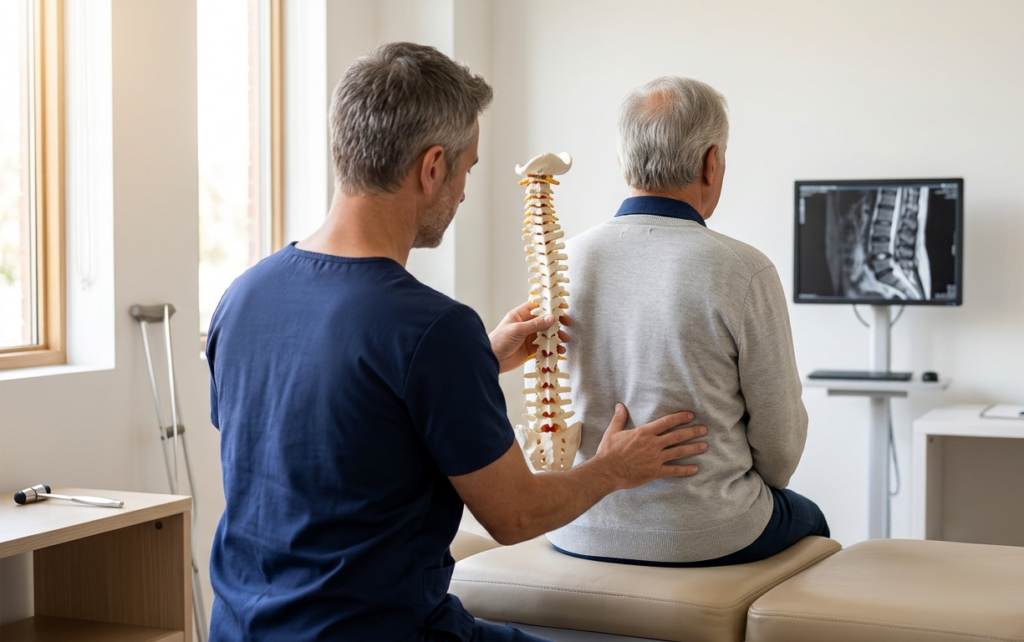
An X-ray can show changes in the bones, alignment, and possible bone spurs. An MRI provides a clearer view of the spinal canal, discs, ligaments, and nearby nerves.
Sometimes a CT scan is used when an MRI is not suitable.
It is important to remember that an MRI showing spinal narrowing does not automatically mean treatment is needed. The findings should match the person’s symptoms and examination.
What Is the Best Treatment for Spinal Stenosis?
There is no single treatment that works for everyone. The best approach depends on the location of the narrowing, the severity of symptoms, and the person’s overall health.
Many people begin with nonsurgical treatment.
Common options include:
-
Physical therapy: Guided exercises can improve strength, flexibility, balance, and everyday movement.
-
Medication: Certain pain relievers or anti-inflammatory medications may help manage discomfort when medically appropriate.
-
Activity changes: Adjusting activities that make symptoms worse can help improve daily comfort.
-
Steroid injections: In selected cases, injections may temporarily reduce inflammation around irritated nerves.
-
Surgery: When symptoms are severe or neurological problems are progressing, surgery may be considered to relieve pressure on the nerves.
A procedure called spinal decompression surgery removes tissue or bone that is contributing to nerve compression.
Surgery is not necessary for everyone. A healthcare provider can help determine which options are appropriate.
How Do You Manage Spinal Stenosis Without Surgery?
Many people want to know how to fix spinal stenosis without surgery.
The important thing to understand is that exercise cannot remove bone spurs or reverse structural narrowing. However, appropriate nonsurgical care may help reduce symptoms and improve mobility.
Some helpful approaches include:
-
Walking for shorter periods with regular breaks.
-
Using a stationary or recumbent bicycle if it feels comfortable.
-
Performing exercises recommended by a physical therapist.
-
Strengthening the muscles that support the back and hips.
-
Avoiding activities that consistently increase symptoms.
-
Maintaining a healthy weight to support overall mobility.
Some people feel more comfortable bending slightly forward because this position can create more room in the lower spinal canal.
However, exercises should be selected based on individual symptoms and medical advice.
Staying active within your comfort level is generally more helpful than avoiding all movement.
Can a Chiropractor Help Spinal Stenosis?
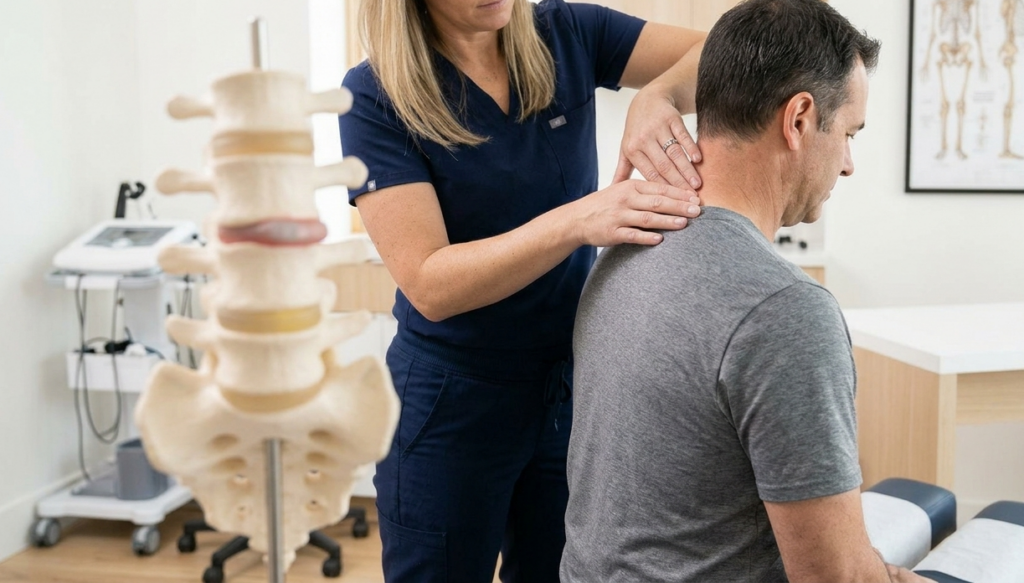
A chiropractor may help some people manage certain musculoskeletal symptoms associated with spinal stenosis. However, it is important to understand what chiropractic care can and cannot do.
Spinal stenosis is a structural condition. Chiropractic adjustments cannot remove bone spurs, reverse disc degeneration, or reliably widen a narrowed spinal canal.
Depending on the patient’s condition, a chiropractor may consider gentle joint mobilization, soft tissue techniques, movement advice, or supportive exercises.
Some patients may also discuss spinal decompression services with their healthcare provider. However, evidence that these treatments reverse spinal stenosis or provide lasting relief specifically from nerve compression is limited.
High-force spinal manipulation may not be appropriate for everyone, particularly when there are signs of spinal cord compression or progressive neurological problems.
Before beginning treatment, it is important to have an appropriate evaluation and discuss any existing imaging or medical findings.
A responsible approach should focus on patient safety, realistic expectations, and referral to a medical specialist when needed.
Chiropractic Care for Spinal Stenosis in Eagan, MN
If you are experiencing back discomfort, stiffness, or difficulty with everyday movement, understanding the cause of your symptoms is an important first step.
At Armeli Chiropractic in Eagan, Minnesota, Dr. Andrew Armeli can be contacted to discuss your concerns and whether an evaluation is appropriate.
The goal should always be to understand your condition and determine whether chiropractic care is a suitable option.
If your symptoms suggest significant nerve or spinal cord compression, medical evaluation and specialist care may be more appropriate.
Armeli Chiropractic
-
Address: 855 Vikings Pkwy, Suite C, Eagan, MN 55121
-
Phone: 651-688-0736
-
Website: Chiropractor in Eagan, MN
Frequently Asked Questions
Can spinal stenosis get worse over time?
Yes, it can progress as age-related changes affect the spine. However, not everyone experiences worsening symptoms. Regular medical evaluation can help monitor changes.
Is walking good for spinal stenosis?
Walking may help maintain strength and general health. Some people need shorter walking sessions or regular breaks because standing and walking can increase their symptoms.
Can spinal stenosis be reversed without surgery?
Exercise and conservative treatments may improve symptoms and mobility, but they generally cannot reverse structural narrowing or remove bone spurs.
Can a chiropractor help with spinal stenosis?
Chiropractic care may help manage certain related musculoskeletal symptoms in selected patients. It does not correct the underlying narrowing or replace necessary medical treatment.
When should I see a doctor?
See a healthcare provider if you have persistent back or neck pain, numbness, tingling, weakness, or difficulty walking. Seek emergency care for new bladder or bowel control problems, saddle numbness, or rapidly worsening weakness.
Final Thoughts
Spinal stenosis is a condition that can affect your ability to walk, stand, and enjoy everyday activities. Although it often develops with age, its symptoms and severity vary from person to person.
The good news is that treatment options are available. Physical therapy, appropriate exercise, medication, and other conservative approaches may help manage symptoms. Some people may also need injections or surgery.
The most important step is getting an accurate diagnosis and choosing care that matches your condition.
If you are experiencing back discomfort or changes in your mobility, consider discussing your symptoms with a qualified healthcare provider. The right evaluation can help you understand your options and make informed decisions about your spinal health.
About the Author
Dr. Andrew Armeli, DC
Dr. Andrew Armeli is a chiropractor at Armeli Chiropractic in Eagan, Minnesota.
He is a National Board Certified Chiropractor with additional training in whiplash care, sports physicals, and rehabilitation.
Dr. Armeli is passionate about helping people improve their muscle and joint health, movement, and physical performance. He believes in providing care that meets each patient’s individual needs.
He works with patients throughout the Twin Cities area to help them find the right chiropractic care for their needs.
Outside of work, Dr. Armeli enjoys playing disc golf, fishing, and spending time with his family and his dog, Cora.