
Table of Contents
- What Is Physiotherapy Treatment?
- How Does Physiotherapy Treatment Work?
- Physiotherapy for Pain Relief
- Physiotherapy for Injury Recovery
- Physiotherapy for Mobility and Flexibility
- Physiotherapy Exercises for Strength and Mobility
- Personalized Physiotherapy Treatment: Why It Matters
- Physiotherapy Care in Eagan, MN
- Physiotherapy Treatment Cost and What Affects It
- Is Physiotherapy Safe?
- Why Choose Physiotherapy Treatment?
- About Armeli Chiropractic
- Conclusion
- Frequently Asked Questions
- Author Bio
If pain, stiffness, weakness, or an injury is making everyday movement harder, physiotherapy treatment may help you move with greater comfort and confidence. It is a movement-focused approach that can use hands-on care, therapeutic exercises, mobility work, and patient education to address physical limitations and support recovery.
Whether you are dealing with muscle and joint pain, recovering from an injury, or trying to improve flexibility and strength, understanding what is physiotherapy treatment can help you know what to expect from care. The goal is not simply to make you feel better for a short time. A well-planned program focuses on improving movement and function while helping you understand how to manage your condition.
For people searching for physiotherapy treatment in Eagan, MN, it is also important to understand what physiotherapy involves, what to expect from treatment, and when professional evaluation may be appropriate.
What Is Physiotherapy Treatment?
Physiotherapy treatment is a form of conservative care focused on improving movement, physical function, strength, flexibility, and the ability to perform everyday activities.
In the United States, the term physical therapy is commonly used for care provided by licensed physical therapists. Physiotherapy and physical therapy are often used interchangeably in general conversation, but the exact services and provider qualifications can vary between practices. Physical therapists are licensed healthcare professionals who evaluate movement problems and develop individualized treatment plans using approaches such as therapeutic exercise, manual therapy, movement training, and education.
Physiotherapy may be considered when pain or physical limitations affect your ability to:
- Walk or stand comfortably
- Bend, reach, or lift
- Exercise or participate in sports
- Recover after an injury
- Maintain normal joint movement
- Build strength after inactivity
- Perform work or household activities
Treatment is not limited to one body part. Depending on the individual’s needs, care may address muscles, joints, movement patterns, flexibility, strength, balance, and functional activities.
The important point is that physiotherapy should be based on an individual’s condition and goals rather than a standard routine used for everyone.
How Does Physiotherapy Treatment Work?
The first step is usually an evaluation of your symptoms, movement, physical limitations, and goals.
A provider may look at how you move during activities such as walking, bending, lifting, getting up from a chair, or using the affected body part. They may also assess joint motion, muscle function, flexibility, and other factors related to your condition. Professional physical therapy guidance emphasizes evaluation, individualized goals, treatment, education, and ongoing reassessment as important parts of care.
A physiotherapy program may include:
Movement and mobility work
Specific movements may be used to address restricted range of motion or difficulty performing certain activities.
Therapeutic exercise
Exercises can be selected to improve strength, endurance, balance, coordination, or functional movement.
Manual therapy
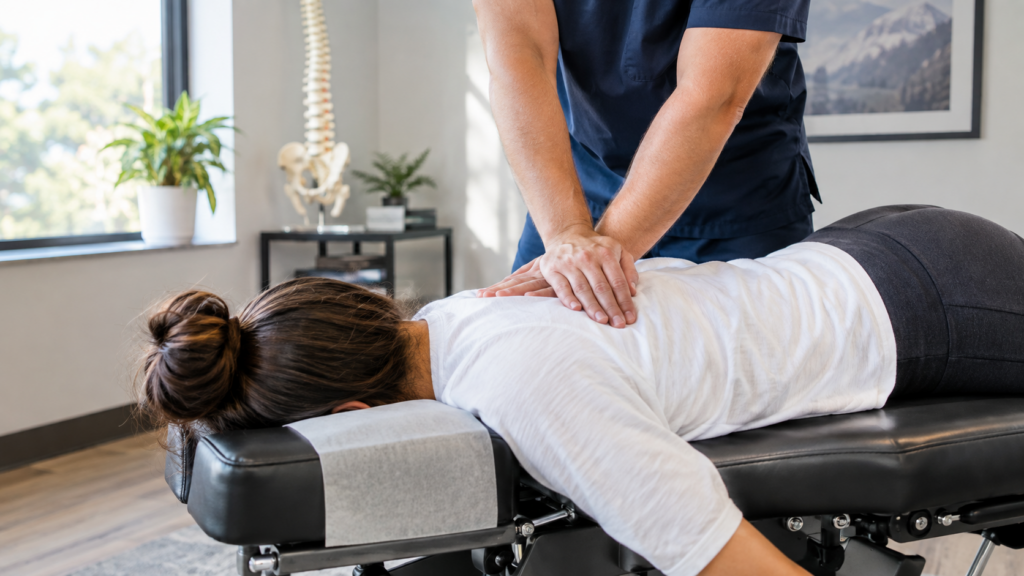
Hands-on techniques may be used when appropriate to support mobility and movement alongside active rehabilitation.
Patient education
Understanding how to move, exercise, work, or modify certain activities can be an important part of recovery.
Progress monitoring
Your response to treatment can help determine whether the plan should stay the same or be modified.
This individualized approach matters because the same symptom can have different contributing factors in different people.
Physiotherapy for Pain Relief
Physiotherapy for pain relief focuses on improving movement and addressing physical factors that may contribute to discomfort.
Pain can be associated with an injury, restricted movement, muscle weakness, joint problems, repetitive activity, or other conditions. A physiotherapy assessment can help identify movement limitations and determine which strategies may be appropriate.
Depending on the condition, treatment may involve:
- Gentle mobility exercises
- Progressive strengthening
- Stretching
- Manual therapy
- Movement retraining
- Functional exercises
- Education about activity modification
The goal is not simply to chase the location of the pain. Treatment may also address the movement or functional limitation associated with it.
For people experiencing physiotherapy for muscle and joint pain, the treatment plan may focus on restoring comfortable movement while gradually rebuilding the physical capacity needed for everyday activities.
Physiotherapy can also be part of a broader pain-management plan. Professional physical-therapy resources note that physical therapy can help people manage pain, improve movement, and participate more actively in recovery.
Physiotherapy for Injury Recovery
Physiotherapy for injury recovery is designed to help restore movement and function after an injury while gradually preparing the body for normal activity.
Recovery does not always mean simply waiting until the pain disappears. Depending on the injury, you may also need to rebuild strength, flexibility, balance, coordination, and confidence in movement.
A recovery program may progress through several stages:
Early recovery
The initial focus may be protecting the affected area, managing symptoms, and maintaining appropriate movement without placing excessive stress on the injury.
Mobility and rebuilding
As appropriate, treatment can progress toward restoring range of motion and introducing controlled strengthening.
Functional recovery
Exercises can become more specific to the activities you need to perform at home, work, exercise, or sport.
Return to activity
The final stage may involve progressively increasing physical demands while monitoring how your body responds.
This progression is important because returning to demanding activities too quickly can place unnecessary stress on a recovering area.
Physiotherapy for injury recovery in Eagan, MN can therefore be useful for people who want a structured approach to rebuilding physical function after an injury.
Physiotherapy for Mobility and Flexibility
Limited mobility can affect much more than exercise.
A stiff hip can change how you walk. Limited shoulder movement can make reaching overhead difficult. Reduced spinal mobility can affect bending, lifting, or sitting comfortably.
Physiotherapy for mobility and flexibility focuses on improving the movement that is limited by your specific condition.
Depending on the individual, treatment may include:
- Range-of-motion exercises
- Mobility drills
- Stretching
- Strengthening
- Functional movement practice
- Hands-on techniques when appropriate
- Education about movement habits
Flexibility and strength often work together. Increasing range of motion without developing enough control and strength to use that range effectively may not address the entire problem.
That is why physiotherapy for better movement and flexibility often combines mobility work with progressive strengthening and functional exercises.
For people searching for physical therapy for mobility issues in Eagan, MN, an individualized evaluation can help determine what is limiting movement and which strategies may be appropriate.
Physiotherapy Exercises for Strength and Mobility
Physiotherapy exercises for strength and mobility are selected according to the individual’s condition, ability, and goals.
There is no single exercise routine that is appropriate for everyone. An exercise that helps one person may be unsuitable for another, particularly after an injury or surgery.
Common categories may include:
Range-of-motion exercises
These help maintain or gradually improve movement around a joint.
Strengthening exercises
Progressive resistance can help rebuild muscles that have become weak because of injury, pain, inactivity, or other limitations.
Balance and coordination exercises
These may be useful when stability or movement control is part of the problem.
Functional exercises
These reproduce movements that matter in daily life, work, exercise, or sport.
Home exercises
A provider may recommend appropriate exercises between appointments so that progress is not limited to time spent in the clinic.
Exercise is an important part of physical rehabilitation because it gives patients an active role in their recovery. Professional guidance describes therapeutic exercise and movement training as core physical-therapy interventions used to address impairments, function, activity, and participation.
Do not copy a generic exercise program from the internet and assume it is appropriate for your injury. Persistent or unexplained pain should be evaluated so the exercise approach matches the underlying problem.
Personalized Physiotherapy Treatment: Why It Matters
Personalized physiotherapy treatment is important because symptoms do not tell the whole story.
Two people can have similar pain but very different movement limitations, strength levels, activity demands, and recovery needs.
An individualized plan considers factors such as:
- Your symptoms
- Physical limitations
- Injury history
- Current strength and mobility
- Daily activities
- Work demands
- Exercise or sports participation
- Recovery goals
- Response to treatment
For example, an athlete returning to sport may need progressive strength and sport-specific movement, while someone with everyday mobility limitations may need a different combination of mobility, strengthening, and functional training.
This is especially relevant to physiotherapy for chronic pain. Long-term pain can involve multiple factors, and treatment may need to address movement limitations, physical conditioning, activity tolerance, and self-management rather than focusing on one symptom alone.
A personalized plan can also change as you improve. Treatment that is appropriate early in recovery may not be appropriate several weeks later.
Physiotherapy Treatment Cost and What Affects It
The cost of physiotherapy varies between providers and depends on factors such as the type of evaluation, treatment provided, number of visits, insurance benefits, and whether additional services are included.
There is no single price that applies to every patient.
Before starting treatment, ask:
- What does the initial evaluation include?
- What is the cost of follow-up visits?
- How many visits may be recommended?
- Does insurance apply to the service?
- Are there additional out-of-pocket costs?
- What happens if the treatment plan needs to change?
Insurance coverage also varies by plan and service. A provider or insurer can give you the most accurate information about your specific benefits.
For Physiotherapy Treatment in Eagan, MN, discussing cost and coverage before beginning care can help you understand what to expect.
Is Physiotherapy Safe?
Physiotherapy is generally considered a conservative approach, but that does not mean every technique or exercise is appropriate for every person.
Treatment should be selected according to the individual’s condition, health history, physical abilities, and response.
Tell your provider about:
- Recent injuries
- Surgeries
- Existing medical conditions
- New or worsening symptoms
- Medications or relevant health concerns
- Changes in your ability to move or function
You should also seek appropriate medical evaluation when symptoms suggest a condition that may require care outside the scope of conservative rehabilitation.
Physical therapy professionals are trained to evaluate movement problems and can coordinate with other healthcare professionals when additional assessment or treatment is needed.
The goal is not to force movement through significant pain. A good program should be appropriately progressed based on the individual’s condition and response.
Why Choose Physiotherapy Treatment?
Physiotherapy can be a useful option when pain, weakness, stiffness, or an injury is interfering with normal movement.
Potential goals include:
- Improving physical function
- Supporting recovery after injury
- Building strength
- Improving flexibility
- Increasing mobility
- Managing pain
- Improving movement confidence
- Returning to meaningful activities
One of the biggest advantages of movement-based care is that the patient participates in the process. Exercise, education, and appropriate activity can help people understand how to manage their physical limitations rather than relying only on passive treatment.
Professional physical-therapy organizations describe physical therapy as care centered on movement, function, pain management, injury recovery, patient education, and individualized goals.
The right approach, however, depends on your diagnosis, symptoms, health history, and treatment goals.
Physiotherapy Care in Eagan, MN
If you are searching for Physiotherapy Care in Eagan, MN, Armeli Chiropractic provides physiotherapy alongside a broader range of chiropractic and conservative care services.
The clinic’s website lists Physiotherapy as one of its services and also identifies care options for different patient needs, including pediatric, prenatal, athlete, auto-injury, work-injury, and wellness care.
Services at Armeli Chiropractic
- Chiropractic Care
- Pediatric Care
- Prenatal Care
- Athlete Care
- Auto Injury Care
- Activator Method
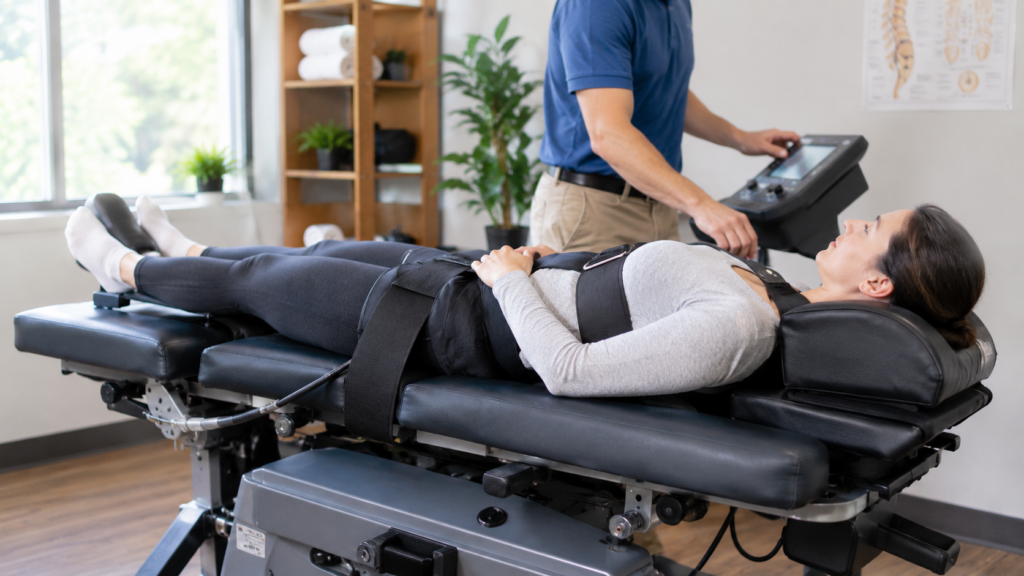
- Intersegmental Traction
- Spinal X-Ray
- Spinal Decompression
- Kinesio Taping
- Myofascial Release
- Trigger Point Therapy
- Physiotherapy
- Work Injuries Care
- Webster Technique
- Wellness Care
These services allow the clinic to provide care based on the patient’s individual needs rather than relying on one approach for every situation.
For example, someone recovering from an auto injury may have different needs from an athlete dealing with a movement limitation, while prenatal or pediatric patients may require different considerations.
Armeli Chiropractic Location and Contact Information
Armeli Chiropractic
Location: Eagan, MN
Phone: +1 651-688-0736
Website: Chiropractor in Eagan, MN
Map: Armeli Chiropractic – Eagan, MN
If you are experiencing pain, stiffness, limited mobility, or an injury and want to understand whether physiotherapy or another conservative approach may be appropriate, contact Armeli Chiropractic to discuss your concerns and available care options.
Conclusion
So, what is physiotherapy treatment?
Physiotherapy is a movement-focused approach that can help address pain, stiffness, weakness, mobility limitations, and physical-function problems. Treatment may include therapeutic exercise, mobility work, manual techniques, education, and progressive activity based on the individual’s needs.
It can be particularly relevant for people seeking physiotherapy for pain relief, physiotherapy for injury recovery, better flexibility, improved strength, or support with chronic movement limitations.
The most important part is personalization. Your treatment should reflect your condition, current abilities, daily activities, and recovery goals rather than following a generic routine.
If you’re considering Physical Therapy Services in Eagan, MN, or physiotherapy care, an appropriate evaluation can help you understand your options and determine what type of care may fit your needs.
Frequently Asked Questions
What is physiotherapy treatment?
Physiotherapy treatment is a movement-focused form of care used to improve physical function, mobility, strength, flexibility, and activity tolerance. Treatment may include exercise, manual therapy, movement training, and patient education.
What does physiotherapy do for pain?
Physiotherapy can help manage pain by addressing movement limitations, weakness, flexibility problems, and physical-function issues that may contribute to symptoms. Treatment is individualized according to the person’s condition.
Can physiotherapy help with injury recovery?
Yes. Physiotherapy can support injury recovery by gradually restoring mobility, strength, movement control, and function. The treatment plan should be adjusted according to the injury and the person’s progress.
How does physiotherapy improve mobility and flexibility?
Physiotherapy may use range-of-motion exercises, stretching, mobility work, strengthening, movement training, and other appropriate techniques to improve physical movement and function.
Is physiotherapy the same as physical therapy?
The terms physiotherapy and physical therapy are commonly used interchangeably in many contexts. In the United States, physical therapy is generally provided by licensed physical therapists, while individual clinics may use the term physiotherapy for specific services. Provider credentials and scope of care should always be verified.
Author Bio
Dr. Andrew Armeli, DC
Dr. Andrew Armeli is a National Board Certified Chiropractor from Eagan, Minnesota, with advanced certifications in whiplash care, pre-sports physicals, and performance rehabilitation. He is dedicated to improving neurological function, musculoskeletal health, and patient wellness across the Twin Cities. Dr. Armeli focuses on helping patients improve physical function and pursue better overall wellness through individualized chiropractic care. His professional interests include supporting patients with injuries, performance goals, and musculoskeletal concerns. Outside of his professional work, Dr. Armeli enjoys disc golf, fishing, and spending quality time with his family and dog, Cora.